Logo
Explore AdventuresQuick Guide
No mega menu data available.
About CompanyOur ServicesOur PhilosophyOur Team
Kathmandu Valley

Kathmandu Valley

hiking

Kathmandu Valley Hiking: Ancient Trails, Living Culture

The Kathmandu Valley is far more than the gateway to Nepal's great Himalayan expeditions. Encircled by a dramatic rim of forested hills threaded with ancient pilgrimage paths, sacred hilltop shrines, and ridgeline viewpoints that frame the entire Himalayan range, the valley offers a hiking landscape of extraordinary richness hiding in plain sight.

Hiking here is not just about the views — though those are exceptional. It is about walking the same stone-paved trails that pilgrims, traders, and villagers have followed for centuries, through forests that shelter over 500 bird species, past temples draped in marigold offerings, and into quiet hilltop sanctuaries where the chaos of Kathmandu feels like another world entirely.

At Big Sky Treks, we know every trail on this rim — and we are ready to show you the ones most visitors never find.

Hiking in Kathmandu Valley

Phulchoki Hill Day Hike
1 Day

Phulchoki Hill Day Hike

Adventure Type

Hiking

Best Season

spring, autumn

Price $83

$75/pp

Max Altitude

2,782m

View Details

Our Signature Kathmandu Valley Hikes

We have curated the following routes to showcase the very best of the Kathmandu Valley — from forested nature reserves to sweeping ridgeline panoramas, each trail delivering its own distinct reward.

1. Phulchoki Hill Day Hike

The highest point on the Kathmandu Valley rim at 2,782 meters, Phulchoki is the valley's finest all-round hiking destination. In spring, its slopes erupt in one of Nepal's most spectacular rhododendron displays. Year-round, it rewards hikers with unobstructed 180-degree Himalayan panoramas that stretch from the Annapurnas in the west to Everest in the east.

  • The Experience: Ascend through dense subtropical forest alive with over 200 bird species — making this one of the top birdwatching hikes in all of Asia — and emerge onto an open summit with some of the most expansive Himalayan views accessible from any capital city on Earth.
  • Highlights: Spring rhododendron blooms, exceptional birdwatching, and the small Phulchoki Mai temple at the summit.
  • Difficulty: Moderate | Duration: 1 Day

2. Nagarjun Forest Reserve Trail

Hidden on the northwestern edge of Kathmandu, the Nagarjun Forest Reserve — also known as the Rani Ban or "Queen's Forest" — is one of the valley's best-kept secrets. A protected sal and pine forest within the city boundary, it offers a genuinely wild hiking experience that most Kathmandu visitors never discover.

  • The Experience: Follow shaded forest trails through dense woodland alive with deer, langur monkeys, and exotic bird species, and climb to the Jamacho stupa at the summit for a quiet, panoramic moment high above the valley floor below.
  • Highlights: Wildlife spotting within city limits, the peaceful Jamacho Buddhist stupa, and the rare experience of genuine forest solitude minutes from the capital.
  • Difficulty: Moderate | Duration: Half to Full Day

3. Champa Devi Ridge Hike

One of the Kathmandu Valley's most rewarding lesser-known routes, the Champa Devi ridge hike climbs through forest and open grassland to a dramatic ridgeline viewpoint on the southern rim of the valley. The trail passes through a landscape that feels remarkably untouched for its proximity to the city.

  • The Experience: Ascend through a patchwork of pine forest and open hillside, reach the sacred Champa Devi summit shrine at 2,278 meters, and take in sweeping views across the valley toward the distant white line of the Himalayan range.
  • Highlights: The sacred hilltop shrine, panoramic valley views, and a peaceful trail that sees far fewer visitors than the valley's more famous routes.
  • Difficulty: Moderate | Duration: 1 Day

4. Shivapuri National Park Trail

Shivapuri Nagarjun National Park sits on the northern rim of the Kathmandu Valley and offers one of the most complete day hiking experiences available in the region — dense forest, a sacred hilltop destination, and sweeping views of both the valley and the Himalayan range to the north.

  • The Experience: Trek through protected forest teeming with wildlife, follow a well-marked trail to the Bagdwar — the sacred source of the Bagmati River — and continue to the Shivapuri peak viewpoint where the Langtang, Jugal, and Rolwaling Himalayan ranges fill the northern horizon.
  • Highlights: The sacred Bagdwar river source, exceptional forest birdwatching, and front-row views of the Langtang range from the northern valley rim.
  • Difficulty: Moderate | Duration: 1 Day

Life on the Trail: Culture at Every Turn

What makes hiking in the Kathmandu Valley genuinely distinctive is the cultural layer woven into every route. These are not wilderness trails in the conventional sense — they are living landscapes where ancient traditions continue undisturbed alongside the natural world.

  • Temple Stops: Almost every hilltop trail in the valley leads to an active shrine or monastery. These are working places of worship visited daily by local devotees — a reminder that for many Nepalis, these hikes are not recreation but ritual.
  • Village Encounters: Trails frequently pass through small farming communities where the pace of life has changed little in generations. A brief stop in a local home for tea is one of the genuine pleasures of hiking this valley.
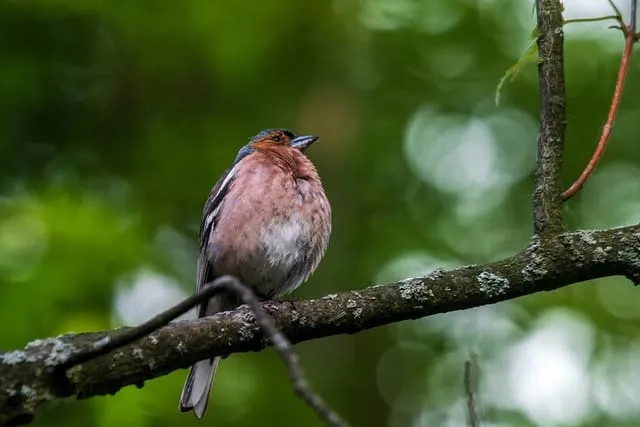
  • The Birdwatcher's Reward: The Kathmandu Valley rim is one of Asia's premier birdwatching destinations. The forested slopes of Phulchoki and Shivapuri alone host species that serious birdwatchers travel from across the world to see.

Preparing for Your Kathmandu Valley Hike

The Kathmandu Valley's hiking trails are among Nepal's most accessible — but a little preparation ensures you get the most out of every route.

  • Physical Readiness: Most valley rim hikes involve steady uphill climbs of two to three hours followed by a similar descent. A basic level of fitness — regular walks and some stair climbing in the weeks prior — is all the preparation most hikers need. No prior trekking experience is required.
  • Gear and Clothing: The valley's hiking elevations are moderate, but conditions can change quickly. Carry a light waterproof layer, wear comfortable broken-in hiking shoes with good grip on forest trails, and bring at least two liters of water. Mornings can be cool on the upper ridges even in warmer months.
  • Best Season: The Kathmandu Valley can be hiked year-round. Spring (March to May) brings spectacular rhododendron blooms on the higher slopes. Autumn (October to November) delivers the clearest skies and the sharpest Himalayan views. Winter hikes offer crisp, peaceful trails with occasional light snowfall on the upper rim.

Sustainable Hiking in the Kathmandu Valley

The forests and trails of the Kathmandu Valley are protected natural and cultural assets — and we treat them that way. We follow strict Leave No Trace principles on every route, carry out all waste from the trail, and work exclusively with local Nepali guides who carry genuine knowledge of these hills and the communities that call them home.

We also actively support the local conservation initiatives protecting the valley's national parks and forest reserves, because the wild green rim that makes these hikes possible deserves to remain wild for the generations still to come.

Ready to discover Kathmandu from the trails above it? Let us show you the valley from a different perspective.

Talk to a Local Specialist

Frequently Asked Questions about Kathmandu Valley

Helpful answers gathered from treks and products in Kathmandu Valley, Nepal.

No prior hiking experience is required. The trail is suitable for anyone with a moderate level of fitness — if you can manage two to three hours of steady uphill walking, Phulchoki is well within reach.
Spring (March to May) is the most spectacular season, when the rhododendron slopes are in full bloom. Autumn (October to November) offers the clearest skies and the sharpest Himalayan views from the summit. The trail can be hiked year-round, though monsoon season (June to August) brings slippery conditions and reduced visibility.
The full hike from Godavari trailhead to the summit and back typically takes six to seven hours including rest stops and lunch at the top. We depart Kathmandu early morning and return by mid-afternoon.
Phulchoki is one of the premier birdwatching destinations in all of Asia. The forest slopes host over 200 recorded species including the Spiny Babbler (Nepal's only endemic bird), various pheasants, laughingthrushes, and a remarkable variety of migratory species during spring and autumn. We recommend bringing binoculars.
Carry at least two liters of water, energy snacks, a light windproof jacket, sunscreen, a hat, and your camera. A packed lunch is provided. A small daypack of five to ten liters is ideal for the trail.
Contact Us

Plan your next adventure with confidence.

Have questions, need a custom itinerary, or want help choosing the right trek? Send us your details and our team will get back to you within 24 hours.

Fast response

We usually reply within 24 hours with the next steps.

Tailor-made support

Share your dates, group size, and ideas. We’ll help shape the perfect trip.

Send us a message

Fill in your details below and we’ll reach out as soon as possible.