Logo
Explore AdventuresQuick Guide
No mega menu data available.
About CompanyOur ServicesOur PhilosophyOur Team
Trekking

Trekking

trekking

Elevate Your Soul: The Ultimate Trekking Experience

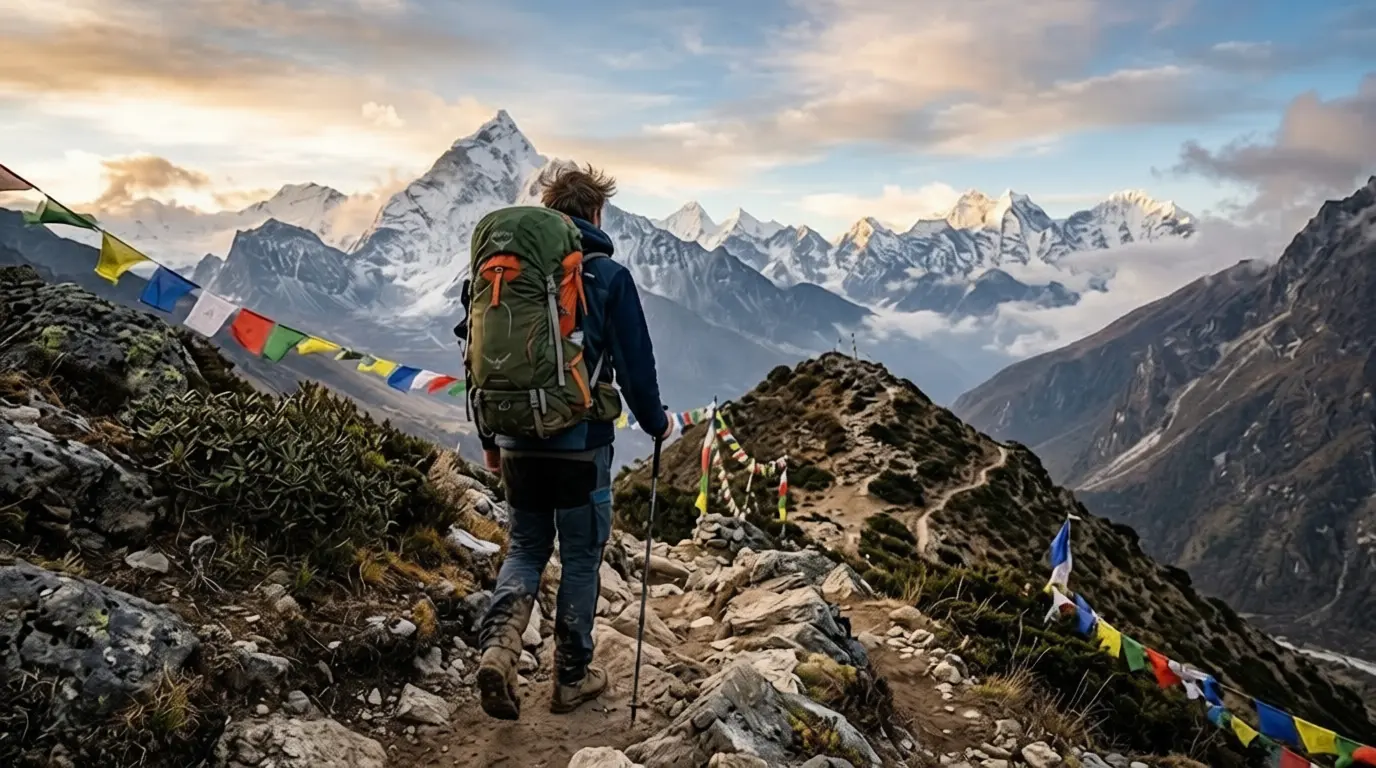
Trekking is more than just a walk in the woods; it is a profound journey of self-discovery set against the backdrop of the world’s most majestic landscapes. Whether you are navigating the rugged ridges of the Himalayas or the lush, misty trails of the Andes, trekking challenges your physical limits while offering a spiritual clarity that only nature can provide.

At Big Sky Treks, we specialize in turning these ambitious dreams into safe, organized, and unforgettable realities.

Popular Destinations

Why Choose the Trail?

Modern life moves at the speed of a fiber-optic cable. Trekking forces you to slow down to the rhythm of your own heartbeat. It is one of the few experiences left where the journey truly matters as much as the destination.

  • Unplugged Connection: Escape the digital noise and reconnect with the raw beauty of the Earth.
  • Physical Triumph: There is no feeling quite like standing atop a high pass, knowing your own two feet got you there.
  • Cultural Immersion: Trails often lead through remote villages where ancient traditions remain untouched by time.

Our Signature Trekking Regions

We have curated a selection of routes that cater to both the novice wanderer and the seasoned mountaineer.

1. The Everest Region

The "Roof of the World" is the ultimate pilgrimage for trekkers. This region is defined by iconic peaks like Lhotse, Nuptse, and, of course, Mt. Everest.

  • The Experience: Walk through the heart of Sherpa culture, visit ancient monasteries like Tengboche, and stand at the foot of the world's highest mountain.
  • Best For: Bucket-list adventurers and those who want to see the most famous skyline on Earth.
  • Key Trek: Everest Base Camp (EBC) or the high-octane Three Passes Trek.

2. The Annapurna Region

Often cited as the most diverse trekking area in the world, the Annapurna range offers everything from subtropical forests to the high-altitude desert of Mustang.

  • The Experience: You’ll cross the famous Thorong La Pass and witness the deep Kali Gandaki Gorge. The teahouses here are legendary for their comfort and hospitality.
  • Best For: Travelers seeking variety—both in terrain and cultural encounters (Gurung and Thakali villages).
  • Key Trek: Annapurna Circuit or the breathtaking Annapurna Base Camp (ABC).

3. The Langtang Region

Known as the "Valley of Glaciers," Langtang is the closest trekking region to Kathmandu, yet it remains remarkably pristine and less crowded than Everest or Annapurna.

  • The Experience: Hike through dense rhododendron forests and bamboo groves that lead to the high alpine pastures of Kyanjin Gompa. The region offers a raw, intimate look at Tamang culture.
  • Best For: Those with limited time who still want a "big mountain" experience without the long flights.
  • Key Trek: Langtang Valley Trek or the sacred Gosaikunda Lake trek.

4. The Manaslu Region

For the trekker who wants to get off the beaten path, Manaslu offers a "controlled" wilderness experience that feels like stepping back in time.

  • The Experience: This is a restricted area trek, meaning fewer tourists and a more authentic Himalayan feel. You will circumnavigate Mt. Manaslu, the eighth-highest peak in the world, crossing the challenging Larkya La Pass.
  • Best For: Seasoned trekkers looking for solitude, rugged trails, and untouched Tibetan-style culture.
  • Key Trek: Manaslu Circuit Trek.

What to Expect on the Trail

To the uninitiated, a multi-day trek can seem daunting. Here is a glimpse of what a typical day looks like:

  1. The Morning Wake-up: A hot cup of tea or coffee delivered to your tent or lodge room as the sun begins to hit the peaks.
  2. The Steady Pace: We advocate for "Pole-Pole" (slowly, slowly). This ensures proper acclimatization and allows you to actually see the scenery.
  3. The Afternoon Arrival: We usually reach our camp or teahouse by mid-afternoon, giving you plenty of time to stretch, read, or explore the local area.
  4. The Evening Feast: A high-calorie, nutritious dinner shared with your fellow trekkers, followed by a briefing for the next day's route.

Our Commitment to Responsible Travel

The mountains are beautiful because they are pristine, and we intend to keep them that way. We operate on a "Take nothing but pictures, leave nothing but footprints" policy. We support local economies by employing local guides and porters, ensuring they are paid fair wages and provided with proper equipment.

Are you ready to lace up your boots and see the world from a higher perspective?

Frequently Asked Questions about Trekking

Helpful answers gathered from treks and products in Trekking.

The best seasons are Spring (March–May) and Autumn (September–November) when the weather is clear, and views are spectacular.
It is considered a medium difficulty trek, suitable for moderately fit beginners with some trekking experience.
Yes, you need a TIMS card and Annapurna Conservation Area Permit (ACAP) to legally trek in this region.
The highest point is Annapurna Base Camp at 4130 meters, offering panoramic views of the surrounding peaks.
Yes, with good preparation and a moderate fitness level, first-time trekkers can enjoy the trek safely.
The best time is Spring (March–May) and Autumn (September–November) for clear views and stable weather.
It is a medium-level trek with some steep sections, suitable for moderately fit trekkers.
Yes, you need an Annapurna Conservation Area Permit (ACAP) and a TIMS card.
Yes, beginners with good fitness can complete it, especially with proper acclimatization.
The highest point is Mardi Himal Base Camp at 4500 meters.
Yes, basic teahouses are available throughout the route offering food and accommodation.
The Ghorepani Poon Hill Trek is a short and scenic trek in Nepal’s Annapurna region, ideal for beginners, first-time trekkers, and those looking for a quick Himalayan adventure.
Typically, the Ghorepani Poon Hill Trek takes 5–7 days, including trekking from Nayapul to Ghorepani, the early morning hike to Poon Hill for sunrise, and visits to Ghandruk and Tadapani.
Highlights include the breathtaking Himalayan sunrise at Poon Hill, panoramic views of Annapurna and Dhaulagiri, walking through rhododendron forests, and experiencing traditional villages along the trek.
The best seasons are spring (March–May) and autumn (September–November) when the skies are clear, rhododendrons bloom, and the Himalayan views are at their best.
Pack layered clothing, warm accessories, sturdy boots, sun protection, a daypack with water and snacks, trekking poles, a headlamp, personal medications, and a camera to enjoy the Poon Hill Trek safely and comfortably.
The Annapurna Circuit Trek is considered moderately to challenging due to long walking days and the high altitude, especially at the Thorong La Pass trek. Proper acclimatization and a good level of fitness make the Annapurna Circuit Trek Nepal achievable for most trekkers.
The best time for Annapurna Circuit Trek is during spring (March–May) and autumn (September–November) when the weather is stable and mountain views are clear. These seasons offer the most comfortable conditions along the Annapurna trekking route.
A standard Annapurna Circuit itinerary usually takes 10–14 days depending on the route and acclimatization days. Shorter versions are also possible with road access, but the classic Annapurna Circuit Trek experience is longer.
The Annapurna Circuit cost varies based on your travel style, guide, permits, and accommodation choices. Budget trekkers can complete the Annapurna Circuit Trek Nepal at a lower cost, while guided Nepal trekking packages offer more comfort and support.
Hiring a guide for the Annapurna Circuit Trek is highly recommended for safety, navigation, and cultural insight. Many trekkers choose Nepal trekking packages to ensure a smoother and more enjoyable experience on the Annapurna trekking route.
The Tilicho Lake Trek is considered moderately to challenging due to its high altitude and remote trails. Proper acclimatization and good physical fitness are essential for a safe trekking experience in the Annapurna region.
Tilicho Lake is located at an altitude of 4,919 meters, making it one of the highest lakes in the world. This high elevation is a key highlight of the Tilicho Lake Trek Nepal.
The best time for the Tilicho Lake Trek is during spring (March to May) and autumn (September to November). These seasons offer clear skies, stable weather, and the best views of the Annapurna Circuit Tilicho Lake route.
Yes, Tilicho Lake is an optional but popular side trip from the Annapurna Circuit Tilicho Lake route. Trekkers usually take a detour from Manang to visit the lake before rejoining the main trail.
While it is possible to trek independently, hiring a guide is highly recommended for the Tilicho Lake Trek Nepal. A guide helps with navigation, safety, and enhances your overall trekking experience in the Annapurna region.
The Khopra Ridge Trek is an off the beaten path trekking Nepal experience, offering quieter trails and fewer crowds compared to popular routes. It provides stunning mountain views along with a more authentic and peaceful trekking experience.
Yes, the Khopra Danda Trek is considered moderate and suitable for trekkers with basic fitness levels. With proper acclimatization and pacing, even first-time trekkers can enjoy this Annapurna Khopra Ridge Trek.
The main highlight of the Khayer Lake Trek Nepal is the sacred high-altitude lake surrounded by breathtaking Himalayan peaks. It is both a spiritual and scenic experience, making it a key part of the Khopra Ridge Trek.
The Khopra Ridge Trek is a community lodge trek Nepal, where you stay in locally managed lodges. This not only offers basic comfort but also supports local communities along the trail.
The best time for the Annapurna Khopra Ridge Trek is during spring (March to May) and autumn (September to November). These seasons offer clear skies, stable weather, and the best views for Annapurna region trekking.
The Langtang Valley Trek is considered a moderate trek, suitable for beginners with a reasonable level of fitness. It is one of the best options for those looking for a short trek in Nepal with rewarding views.
Typically, the Langtang Valley trek Nepal takes around 7–10 days depending on your itinerary and pace. This makes it a perfect choice for trekkers with limited time.
Yes, you need a Langtang National Park entry permit and a TIMS card for Langtang trekking. These permits are required to enter and trek within the Langtang National Park trek area.
The best time for the Langtang region trekking is during spring (March–May) and autumn (September–November). These seasons offer clear skies, stable weather, and stunning Himalayan views.
Yes, the Langtang Valley Trek is generally safe with well-marked trails and welcoming local communities. With proper preparation and guidance, it provides a memorable Himalayan trekking Nepal experience.
The ideal time is spring (March–May) and autumn (September–November), offering clear skies, moderate temperatures, and stunning Himalayan views.
The trek reaches Gosaikunda Lake at 4,380 meters, providing breathtaking views of the surrounding peaks and alpine landscapes.
A typical trek spans 7–10 days, depending on your pace and chosen route, covering forests, villages, and high-altitude lakes.
While trekking independently is possible, hiring a guide and porter is recommended for navigation, cultural insight, and carrying luggage, making your journey safer and more comfortable.
Pack layered clothing, warm accessories, sturdy boots, trekking poles, windproof gear, daypack, water, snacks, personal medications, and a camera to stay comfortable across changing altitudes and weather conditions.
The ideal seasons are spring (March to May) and autumn (September to November) when the weather is clear and the trails are safe.
The Tamang Heritage Trek is considered easy to moderate, suitable for first-time trekkers and those interested in cultural experiences.
Yes, hiring a local guide and porter is recommended for navigation, cultural insights, and carrying luggage comfortably.
Trekking is mostly in homestays and guesthouses, offering authentic local experiences and basic facilities.
The trek typically takes 7–9 days, including drives from and back to Kathmandu, covering Syabru Besi, Gatlang, Tatopani, Thuman, and Briddhim.
The Helambu Trek is considered a moderate trek, suitable for beginners with a reasonable level of fitness. It is one of the best short treks in Nepal with gradual ascents and well-marked trails.
The Helambu Trek Nepal typically takes around 7 to 9 days, depending on your itinerary and pace. This makes it ideal for those looking for a short yet rewarding Himalayan trekking experience.
The best time for the Helambu Trek is during spring (March to May) and autumn (September to November). These seasons offer clear skies, pleasant weather, and excellent mountain views.
Yes, you need permits such as the Shivapuri National Park entry permit and a TIMS card. Hiring a guide is highly recommended for a safer and more informative Helambu trekking itinerary.
The Helambu village trek offers basic teahouse accommodations with simple rooms and local meals. Despite being a short trek in Nepal, it provides a comfortable and authentic cultural experience.
The Jomsom Muktinath Trek is considered a moderate trek, suitable for beginners with a basic level of fitness. The trail involves gradual ascents and descents without extreme high-altitude challenges.
The best time for the Muktinath Trek Nepal is during spring (March to May) and autumn (September to November). These seasons offer clear mountain views, stable weather, and comfortable trekking conditions.
Yes, you need an Annapurna Conservation Area Permit (ACAP) and a TIMS card for the Jomsom Trek. These permits are essential for trekking in the Annapurna region.
Although the Jomsom Muktinath Trek reaches up to 3,800 meters at Muktinath, the risk is lower compared to higher treks. Proper acclimatization and hydration help minimize any altitude-related issues.
Yes, the Jomsom Trek can be done independently as the trail is well-marked and has good infrastructure. However, hiring a guide enhances safety, navigation, and cultural understanding of the region.
Yes, Mohare Danda can be combined with nearby treks such as Poon Hill or Khopra Danda to create a longer trekking experience. The trails are connected through villages and forest paths, allowing trekkers to explore multiple viewpoints, diverse landscapes, and cultural stops. Combining treks requires planning for additional days, accommodation, and permits to ensure a smooth journey.
The trek is moderate in difficulty and suitable for beginners with basic fitness. Trekkers should be comfortable walking 4–6 hours per day on hilly terrain. Daily ascents and descents require stamina, but the gradual trails and local homestays provide opportunities to rest. Fitness training before the trek, including walking or stair climbing, is recommended to fully enjoy the views and cultural experiences along the trail.
Accommodation is mainly in local homestays or small guesthouses, offering a cozy and authentic Nepalese experience. Rooms are generally simple with shared or private bathrooms. Meals are home-cooked and provide local cuisine. Hot showers may be limited at higher elevations. Staying in homestays also supports the local economy and allows trekkers to interact with friendly villagers for a cultural experience.
Yes, trekking insurance is strongly recommended. It should cover emergency evacuation, medical treatment, and trip cancellations. While the trail is relatively safe, injuries or altitude-related illnesses can occur. Insurance gives peace of mind and ensures access to professional medical help if required
Trekkers need an Annapurna Conservation Area Permit (ACAP) and a TIMS (Trekkers’ Information Management System) card. ACAP helps conserve the environment and wildlife in the Annapurna region, while TIMS ensures trekkers’ safety and records. Permits can be arranged in Pokhara or through trekking agencies. Carrying copies of these permits and ID is mandatory during the trek.
The best trekking seasons are spring (March to May) and autumn (September to November). During these periods, skies are clear, and mountain views are at their best. Weather is mild, and forests and terraced fields are lush. Monsoon season (June to August) brings heavy rain, slippery trails, and leeches, while winter (December to February) is cold, especially at higher elevations, requiring warm gear.
(9 Days )The trek is short and scenic, covering villages, forests, and hilltops. A typical itinerary starts from Pokhara, passes through Banskharka and Nangi, reaches Mohare Danda for panoramic mountain views, and descends via Tikot and Tipling back to Pokhara. The route allows flexible pacing, sunrise and sunset viewpoints, and cultural interactions with local communities along the trail.
Food on the Mohare Danda Trek is mostly homemade Nepali meals like dal bhat, noodles, soups, and local vegetables. Some homestays may offer limited continental options. Trekkers can also carry snacks like energy bars, chocolates, and nuts. Meals are freshly cooked, filling, and provide necessary energy for trekking. Clean drinking water is available, but carrying a water purifier or tablets is recommended.
Yes, the trek is suitable for families, including children and elderly, as it follows gradual trails with moderate elevation gain. However, daily walking distances and altitude changes should be considered. Proper clothing, comfortable footwear, and regular breaks are essential. Homestays provide safe rest options. Consulting a doctor before trekking for elderly travelers is recommended to ensure a safe journey.
Trekkers should pack layered clothing, sturdy trekking boots, warm hats, gloves, and rain protection. Essentials include a daypack with water, snacks, trekking poles, headlamp, first-aid kit, personal medications, and a camera. Travel documents like passport, ACAP and TIMS permits, and insurance are crucial. Carrying a lightweight sleeping bag or liner is useful for homestays at higher altitudes.
The ideal time is from March to May and September to November, when the weather is clear, and mountain views are at their best.
This trek is considered moderate to challenging, suitable for trekkers with basic fitness and some prior trekking experience.
The highest point is the North Annapurna Base Camp at 3,500 meters, offering spectacular panoramic views of the surrounding peaks.
Yes, trekkers require a TIMS card and Annapurna Conservation Area Permit (ACAP). Hiring a local guide is recommended for safety and cultural insights.
Pack layered clothing, sturdy trekking boots, warm accessories, windproof gear, trekking poles, water, snacks, and a camera for a comfortable and safe journey.
The Everest Base Camp Trek is moderately challenging, requiring good fitness. The main difficulty comes from altitude rather than technical trekking.
The standard Everest Base Camp Trek takes 14–16 days, including acclimatization days for safety and proper altitude adjustment.
Spring and autumn are the best seasons, offering clear mountain views, stable weather, and ideal trekking conditions.
A guide is highly recommended for safety, navigation, and local experience, especially in high-altitude conditions.
You need Sagarmatha National Park Permit and Khumbu Pasang Lhamu Rural Municipality permit for the trek.
Everest Base Camp is located in the Khumbu region of Nepal within the Everest Himalayas.
Teahouse lodges are available along the route, offering basic rooms and meals during the trek.
You take a flight from Kathmandu to Lukla Airport, which is the main gateway to the Everest region.
Yes, altitude sickness is a risk, so proper acclimatization, hydration, and gradual ascent are essential.
Yes, beginners with good physical preparation and determination can complete the Everest Base Camp Trek successfully
The Manaslu Circuit Trek is a moderate to challenging trek in Nepal due to long walking days and high altitude. The highlight, Larkya La Pass trek (5,160 m), requires good fitness and proper acclimatization.
Yes, the Manaslu Circuit Trek is a restricted area trek Nepal, so special permits are mandatory. You need the Manaslu permit, MCAP, and ACAP along with a licensed guide as per the Manaslu trekking guide rules.
The best time for Manaslu trek is spring (March–May) and autumn (September–November). These seasons offer clear views, stable weather, and the best experience for your Manaslu trek Nepal journey.
The standard Manaslu Circuit itinerary takes around 14 to 16 days depending on acclimatization and route variation. This duration allows proper altitude adjustment and a complete trekking experience.
The Manaslu trek cost varies based on services, group size, and itinerary, typically ranging from budget to mid-range packages. On average, the Manaslu Circuit Trek costs around USD 900–1500 per person.
The Tsum Valley Trek is located in the northern part of the Gorkha district in Nepal, within the Manaslu region near the Tibetan border. It is a restricted and remote trekking area known for its unique culture and landscapes.
The Tsum Valley Trek is considered a moderate to challenging trek due to its remote trails, long walking days, and high-altitude sections like Mu Gompa. Good physical fitness and prior trekking experience are recommended.
The best time for the Tsum Valley Trek is during spring (March to May) and autumn (September to November) when the weather is clear and the mountain views are at their best.
Yes, trekkers need special permits including a Restricted Area Permit (RAP) and Manaslu Conservation Area Permit (MCAP) to enter the Tsum Valley region. A registered trekking agency is also required.
The Tsum Valley Trek is special for its untouched natural beauty, ancient Buddhist monasteries, traditional Tibetan-influenced culture, and peaceful environment far from crowded trekking routes.
This trek includes Everest Base Camp plus the high mountain crossing of Cho La Pass and the scenic Gokyo Valley, making it a longer and more adventurous circuit.
Yes, Cho La Pass is considered challenging due to steep ascents, glacier sections, and possible snow or ice, requiring good fitness and basic trekking experience.
Yes, it is recommended. The combination of high altitude and pass crossing makes it more suitable for experienced trekkers than the standard EBC trek.
The trek usually takes 17 to 20 days depending on itinerary, acclimatization days, and walking pace.
Yes, alternative routes are available via Namche or helicopter return from Everest Base Camp area if weather or conditions become unsafe.
The main highlights include crossing Cho La Pass and exploring the beautiful Gokyo Lakes and Gokyo Ri viewpoint.
Yes, due to high elevations above 5,000m, proper acclimatization in places like Namche Bazaar and Dingboche is very important.
You will stay in basic teahouses with twin-sharing rooms, simple meals, and limited facilities in higher regions.
Spring (March–May) and Autumn (September–November) are the best seasons for stable weather, clear mountain views, and safer pass crossing conditions.
The EBC Kongma La Pass Trek is considered a challenging trek due to high altitude and crossing Kongma La Pass (5,535m). It is best suited for experienced trekkers looking for a true High Pass Trek Everest adventure.
The Everest Base Camp Trek via Kongma La typically takes around 15–17 days, including acclimatization days. This duration allows proper adjustment while completing this demanding EBC High Pass Route.
The best time for the Kongma La Pass Trek Nepal is during spring (March–May) and autumn (September–November). These seasons offer stable weather and clear mountain views for the Everest Adventure Trek.
Yes, acclimatization is essential for the EBC Kongma La Pass Trek due to high elevations above 5,000 meters. Proper rest days help reduce the risk of altitude sickness during the EBC Kongma La Pass Trek.
The EBC High Pass Route includes crossing high mountain passes like Kongma La, making it more adventurous than the standard route. It offers a more remote and rewarding experience for trekkers seeking a complete Everest Base Camp Trek via Kongma La.
The Everest Three Passes Trek is a challenging high-altitude adventure that crosses three major passes: Kongma La, Cho La, and Renjo La. It is considered one of the most complete trekking experiences in the Everest region.
The Three Pass Trek Nepal is a strenuous trek suitable for experienced trekkers with good physical fitness. It involves long walking days, high altitudes above 5,000 meters, and crossing glacier terrain.
The Everest High Pass Trek typically takes around 18–22 days, depending on the itinerary and acclimatization days. This allows proper adjustment to altitude and safe crossing of the high passes.
The trek includes crossing Kongma La Pass, Cho La Pass, and Renjo La Pass, along with visits to Everest Base Camp and Gokyo Lakes. Stunning views of Everest, glaciers, and remote valleys make it a top Everest Adventure Trek.
Yes, prior trekking experience is highly recommended for the Everest Circuit Trek due to its demanding nature. Familiarity with high-altitude trekking and good endurance significantly improve your safety and enjoyment.
The Renjo La Pass Trek is considered moderately to challenging due to high altitude and the crossing of Renjo La Pass (5,360m). Proper acclimatization and good physical fitness are essential for a safe and enjoyable experience.
The best time for the Renjo La Pass Trek is during spring (March–May) and autumn (September–November). These seasons offer clear skies, stable weather, and the best mountain views in the Everest region.
While prior trekking experience is helpful, beginners with good fitness and preparation can complete the Renjo La Pass Trek. Hiring a guide is highly recommended for safety and navigation.
For the Renjo La Pass Trek, you need a Sagarmatha National Park Permit and a Khumbu Pasang Lhamu Rural Municipality Permit. These permits are mandatory for trekking in the Everest region.
The Renjo La Pass Trek offers stunning views of Everest, Gokyo Lakes, and surrounding peaks like Cho Oyu. Crossing Renjo La Pass and exploring the less crowded trails make it a unique Everest trekking experience.
The Gokyo Lake Trek is considered a moderate to challenging trek due to its high altitude and long trekking days. Good physical fitness and some prior trekking experience are recommended.
The highest point of the trek is Gokyo Ri at 5,357 meters. It offers one of the best panoramic views of Everest, Cho Oyu, Lhotse, and Makalu.
The trek usually takes around 12 to 14 days, depending on the itinerary and acclimatization days included. This ensures a safe and enjoyable high-altitude experience.
Yes, hiring a licensed guide is highly recommended, and in many cases required. A guide ensures safety, proper navigation, and better cultural understanding of the region.
The best seasons are spring (March–May) and autumn (September–November). During these months, the weather is clear, and mountain views are at their best.
Yes, the Everest View Trek is considered an easy Everest trek and is perfect for beginners and first-time trekkers. It involves moderate walking days with proper acclimatization and does not require prior trekking experience.
The Everest View Trek is a short Everest trek that typically takes around 7–11 days, depending on your itinerary. It is ideal for those who want to experience the Everest region in a limited time.
This Everest panorama trek offers stunning views of Mount Everest, Ama Dablam, Lhotse, and other Himalayan peaks. The best views are often seen from Namche Bazaar and Tengboche.
Yes, Everest View trekking in Nepal requires permits such as the Sagarmatha National Park Entry Permit and the Khumbu Pasang Lhamu Rural Municipality Permit. These are essential for entering the Everest region.
The highest point of the Everest View Trek is Tengboche at 3,870 meters. This makes it an easy Everest trek compared to longer and higher-altitude treks in the Everest region.
Contact Us

Plan your next adventure with confidence.

Have questions, need a custom itinerary, or want help choosing the right trek? Send us your details and our team will get back to you within 24 hours.

Fast response

We usually reply within 24 hours with the next steps.

Tailor-made support

Share your dates, group size, and ideas. We’ll help shape the perfect trip.

Send us a message

Fill in your details below and we’ll reach out as soon as possible.