Logo
Explore AdventuresQuick Guide
No mega menu data available.
About CompanyOur ServicesOur PhilosophyOur Team
Annapurna Region

Annapurna Region

trekking

Annapurna Region Trekking: A Tapestry of Peaks and Culture

The Annapurna Region is arguably the most diverse trekking destination in the world. It offers a spectacular contrast between lush, subtropical rhododendron forests and the stark, rain-shadow deserts of the Mustang region. Whether you are seeking the 360-degree mountain views of the Annapurna Sanctuary or the cultural richness of Gurung and Thakali villages, this region provides an adventure for every soul.

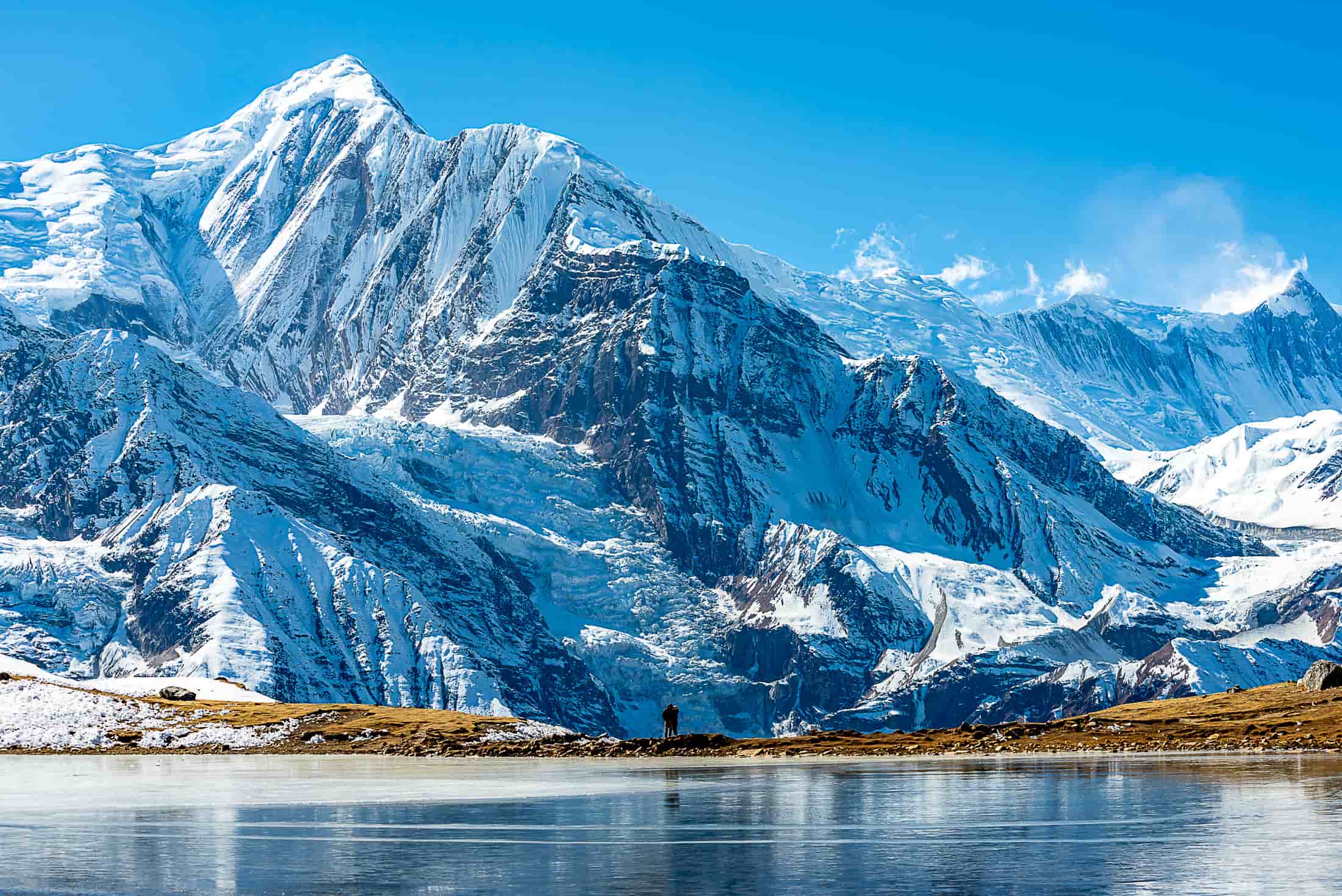
Trekking here isn't just about reaching a destination; it's about witnessing the transition of the earth from emerald valleys to the towering, snow-capped massifs of the Annapurna and Dhaulagiri ranges.
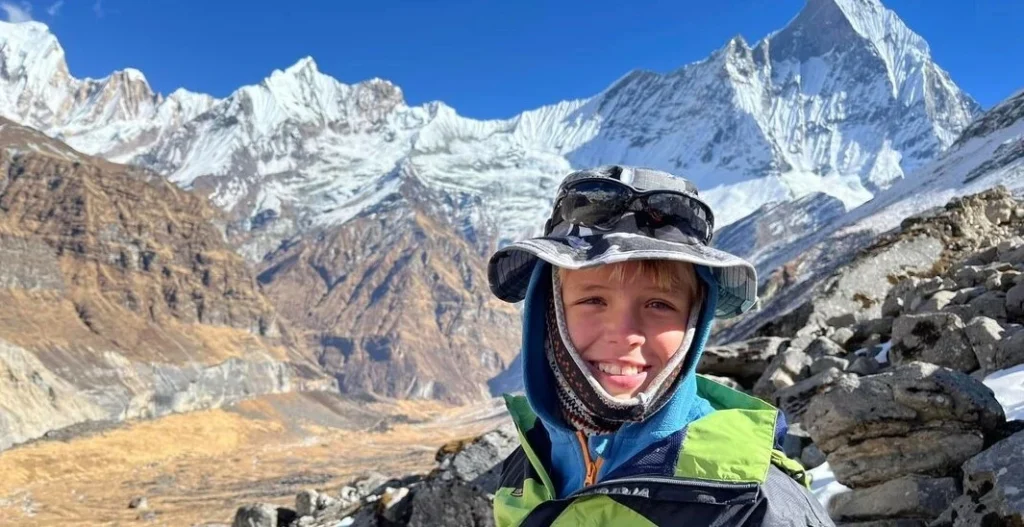
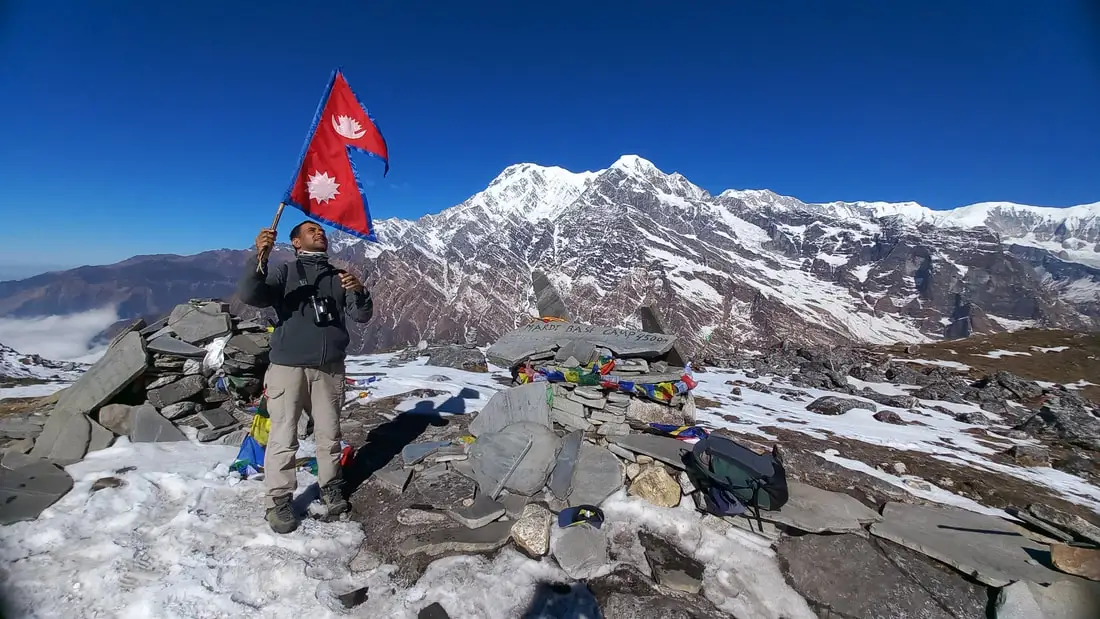
Trekking in Annapurna Region

Annapurna Base Camp Trek
9 Days

Annapurna Base Camp Trek

Adventure Type

Trekking

Best Season

spring, autumn

Price $825

$750/pp

Max Altitude

4,130m

View Details
Mardi Himal Trek
9 Days

Mardi Himal Trek

Adventure Type

Trekking

Best Season

spring, autumn

Price $825

$750/pp

Max Altitude

4,500m

View Details
Ghorepani Poonhill Trek
9 Days

Ghorepani Poonhill Trek

Adventure Type

Trekking

Best Season

spring, autumn

Price $825

$750/pp

Max Altitude

3,210m

View Details
Annapurna Circuit Trek
12 Days

Annapurna Circuit Trek

Adventure Type

Trekking

Best Season

spring, autumn

Price $1,540

$1,400/pp

Max Altitude

5,416m

View Details
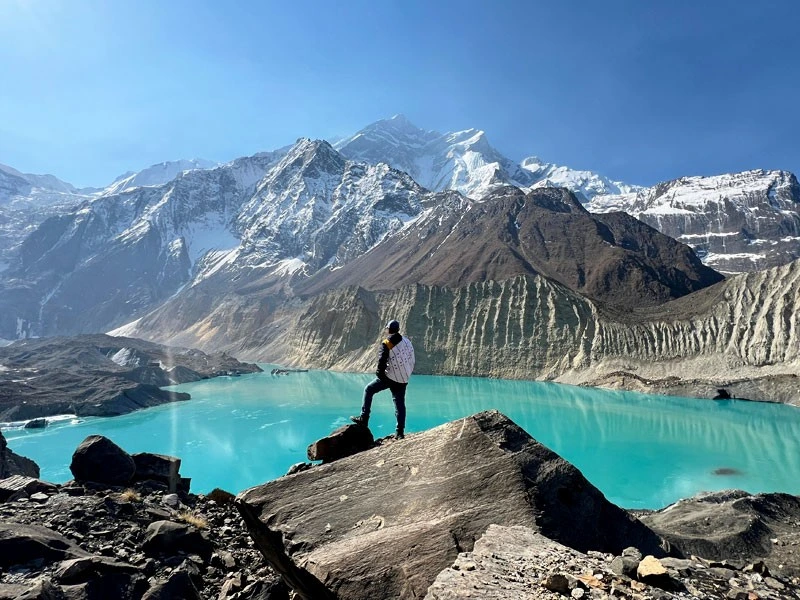
Tilicho Lake Trek
15 Days

Tilicho Lake Trek

Adventure Type

Trekking

Best Season

spring, autumn

Price $1,650

$1,500/pp

Max Altitude

5,416m

View Details
Khopra Ridge Trek
12 Days

Khopra Ridge Trek

Adventure Type

Trekking

Best Season

spring, autumn

Price $1,100

$1,000/pp

Max Altitude

4,660m

View Details
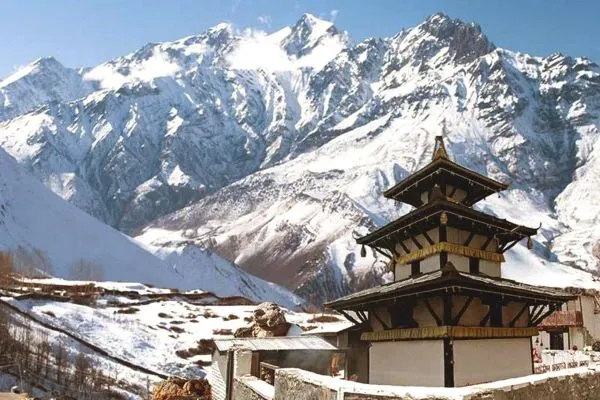
Jomsom Muktinath Trek
12 Days

Jomsom Muktinath Trek

Adventure Type

Trekking

Best Season

spring, autumn

Price $1,098

$998/pp

Max Altitude

3,800m

View Details
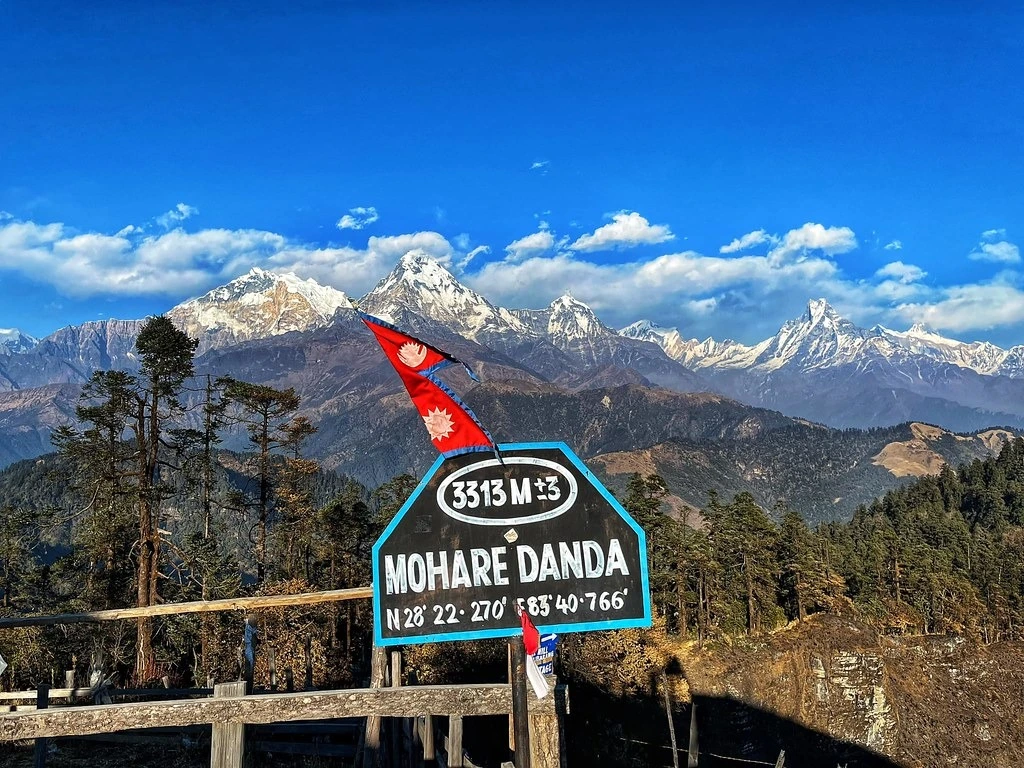
Mohare Danda Trek
9 Days

Mohare Danda Trek

Adventure Type

Trekking

Best Season

spring, autumn

Price $825

$750/pp

Max Altitude

3,300m

View Details
North Annapurna Base Camp Trek
9 Days

North Annapurna Base Camp Trek

Adventure Type

Trekking

Best Season

spring, autumn

Price $825

$750/pp

Max Altitude

3,500m

View Details

Our Signature Annapurna Treks

We have curated the following routes to showcase the best of the Annapurna range, ranging from short scenic escapes to epic high-altitude circuits.

1. Annapurna Base Camp (ABC) Trek

Often called the "Annapurna Sanctuary," this trek leads you into a deep glacial basin surrounded by a ring of eleven giant peaks.

  • The Experience: Walk through the heart of the Machhapuchhre base camp and wake up at 4,130m with giant mountains literally at your doorstep.
  • Highlights: Natural hot springs at Jhinu Danda and the incredible 360-degree amphitheater views at Base Camp.
  • Duration: 7–11 Days

2. Mardi Himal Trek

The "hidden gem" of the Annapurna region. This trek stays on a high ridge, offering the most intimate views of the iconic "Fishtail" mountain.

  • The Experience: This is a quieter, more rugged alternative to the busier trails. The path stays high on the ridge, looking down into the valleys on both sides.
  • Highlights: Seeing Machhapuchhre (Fishtail) so close you feel like you could touch it.
  • Duration: 5–7 Days

3. Annapurna Circuit Trek

Consistently voted one of the best long-distance treks in the world, this route circumnavigates the entire Annapurna Massif.

  • The Experience: You will traverse the formidable Thorong La Pass (5,416m) and witness the dramatic change from green hills to the arid, Tibetan-like landscape of Muktinath.
  • Highlights: The world's deepest gorge (Kali Gandaki) and the stunning high-altitude Tilicho Lake (optional detour).
  • Duration: 12–18 Days

4. Ghorepani Poon Hill Trek

The perfect introduction to Himalayan trekking for families or those with limited time.

  • The Experience: A relatively easy walk through ancient rhododendron forests that culminates in a world-famous sunrise over the Dhaulagiri and Annapurna ranges.
  • Highlights: The sunrise view from Poon Hill (3,210m) and the hospitality of the Ghandruk village.
  • Duration: 4–5 Days

Life on the Trail: Hospitality and Heritage

Trekking in the Annapurna region is famous for its "Luxury of Choice." The local communities have spent decades perfecting the art of Himalayan hospitality.

  • Mountain Lodges: The teahouses in Annapurna are among the most developed in Nepal, many offering heated dining rooms, hot showers, and even Wi-Fi in remote corners.
  • Culinary Variety: While Dal Bhat remains the king of the trail, you can find everything from apple pie in Marpha to fresh yak cheese and artisan coffee in the lower villages.
  • Cultural Tapestry: You will pass through diverse ethnic settlements, learning about the traditions of the Gurung people in the south and the Buddhist heritage of the Manangi and Thakali people in the north.

Preparing for Your Annapurna Adventure

Preparing for the Annapurna region requires a balance of physical readiness and logistical planning.

Physical Readiness: The Annapurna region involves a lot of "Himalayan flats"—which actually means constant ups and downs. Focus your training on stair-stepping and downhill hiking, as the descents on the ABC and Circuit treks can be quite long. Cardiovascular endurance is key for crossing the high passes safely.

Gear and Clothing: Because you will pass through multiple climate zones—from the hot, humid lowlands to the freezing heights of Thorong La—your clothing must be versatile. Use a "three-layer" system: a breathable base layer, an insulating fleece, and a waterproof/windproof outer shell. Sturdy, waterproof boots are essential for the rocky terrain and occasional snow.

Acclimatization and Safety: Altitude is a serious factor, especially on the Annapurna Circuit. We design our itineraries with gradual ascent rates to ensure your body adjusts to the thinning air. Our guides carry pulse oximeters and medical kits, and they are experts at spotting early signs of altitude sickness, ensuring your safety is never compromised.

Sustainable Travel in Annapurna

We are committed to preserving the natural beauty of the Annapurna Conservation Area (ACAP). We encourage our guests to use filtered water instead of plastic bottles and to respect the local customs by following "Leave No Trace" principles. By trekking with us, you support local economies directly through fair-wage employment for our porters and guides.

Ready to explore the legendary Annapurna trails?

Consult with a Trek Expert

Frequently Asked Questions about Annapurna Region

Helpful answers gathered from treks and products in Annapurna Region, Nepal.

The best seasons are Spring (March–May) and Autumn (September–November) when the weather is clear, and views are spectacular.
It is considered a medium difficulty trek, suitable for moderately fit beginners with some trekking experience.
Yes, you need a TIMS card and Annapurna Conservation Area Permit (ACAP) to legally trek in this region.
The highest point is Annapurna Base Camp at 4130 meters, offering panoramic views of the surrounding peaks.
Yes, with good preparation and a moderate fitness level, first-time trekkers can enjoy the trek safely.
The best time is Spring (March–May) and Autumn (September–November) for clear views and stable weather.
It is a medium-level trek with some steep sections, suitable for moderately fit trekkers.
Yes, you need an Annapurna Conservation Area Permit (ACAP) and a TIMS card.
Yes, beginners with good fitness can complete it, especially with proper acclimatization.
The highest point is Mardi Himal Base Camp at 4500 meters.
Yes, basic teahouses are available throughout the route offering food and accommodation.
The Ghorepani Poon Hill Trek is a short and scenic trek in Nepal’s Annapurna region, ideal for beginners, first-time trekkers, and those looking for a quick Himalayan adventure.
Typically, the Ghorepani Poon Hill Trek takes 5–7 days, including trekking from Nayapul to Ghorepani, the early morning hike to Poon Hill for sunrise, and visits to Ghandruk and Tadapani.
Highlights include the breathtaking Himalayan sunrise at Poon Hill, panoramic views of Annapurna and Dhaulagiri, walking through rhododendron forests, and experiencing traditional villages along the trek.
The best seasons are spring (March–May) and autumn (September–November) when the skies are clear, rhododendrons bloom, and the Himalayan views are at their best.
Pack layered clothing, warm accessories, sturdy boots, sun protection, a daypack with water and snacks, trekking poles, a headlamp, personal medications, and a camera to enjoy the Poon Hill Trek safely and comfortably.
The Annapurna Circuit Trek is considered moderately to challenging due to long walking days and the high altitude, especially at the Thorong La Pass trek. Proper acclimatization and a good level of fitness make the Annapurna Circuit Trek Nepal achievable for most trekkers.
The best time for Annapurna Circuit Trek is during spring (March–May) and autumn (September–November) when the weather is stable and mountain views are clear. These seasons offer the most comfortable conditions along the Annapurna trekking route.
A standard Annapurna Circuit itinerary usually takes 10–14 days depending on the route and acclimatization days. Shorter versions are also possible with road access, but the classic Annapurna Circuit Trek experience is longer.
The Annapurna Circuit cost varies based on your travel style, guide, permits, and accommodation choices. Budget trekkers can complete the Annapurna Circuit Trek Nepal at a lower cost, while guided Nepal trekking packages offer more comfort and support.
Hiring a guide for the Annapurna Circuit Trek is highly recommended for safety, navigation, and cultural insight. Many trekkers choose Nepal trekking packages to ensure a smoother and more enjoyable experience on the Annapurna trekking route.
The Tilicho Lake Trek is considered moderately to challenging due to its high altitude and remote trails. Proper acclimatization and good physical fitness are essential for a safe trekking experience in the Annapurna region.
Tilicho Lake is located at an altitude of 4,919 meters, making it one of the highest lakes in the world. This high elevation is a key highlight of the Tilicho Lake Trek Nepal.
The best time for the Tilicho Lake Trek is during spring (March to May) and autumn (September to November). These seasons offer clear skies, stable weather, and the best views of the Annapurna Circuit Tilicho Lake route.
Yes, Tilicho Lake is an optional but popular side trip from the Annapurna Circuit Tilicho Lake route. Trekkers usually take a detour from Manang to visit the lake before rejoining the main trail.
While it is possible to trek independently, hiring a guide is highly recommended for the Tilicho Lake Trek Nepal. A guide helps with navigation, safety, and enhances your overall trekking experience in the Annapurna region.
The Khopra Ridge Trek is an off the beaten path trekking Nepal experience, offering quieter trails and fewer crowds compared to popular routes. It provides stunning mountain views along with a more authentic and peaceful trekking experience.
Yes, the Khopra Danda Trek is considered moderate and suitable for trekkers with basic fitness levels. With proper acclimatization and pacing, even first-time trekkers can enjoy this Annapurna Khopra Ridge Trek.
The main highlight of the Khayer Lake Trek Nepal is the sacred high-altitude lake surrounded by breathtaking Himalayan peaks. It is both a spiritual and scenic experience, making it a key part of the Khopra Ridge Trek.
The Khopra Ridge Trek is a community lodge trek Nepal, where you stay in locally managed lodges. This not only offers basic comfort but also supports local communities along the trail.
The best time for the Annapurna Khopra Ridge Trek is during spring (March to May) and autumn (September to November). These seasons offer clear skies, stable weather, and the best views for Annapurna region trekking.
The Jomsom Muktinath Trek is considered a moderate trek, suitable for beginners with a basic level of fitness. The trail involves gradual ascents and descents without extreme high-altitude challenges.
The best time for the Muktinath Trek Nepal is during spring (March to May) and autumn (September to November). These seasons offer clear mountain views, stable weather, and comfortable trekking conditions.
Yes, you need an Annapurna Conservation Area Permit (ACAP) and a TIMS card for the Jomsom Trek. These permits are essential for trekking in the Annapurna region.
Although the Jomsom Muktinath Trek reaches up to 3,800 meters at Muktinath, the risk is lower compared to higher treks. Proper acclimatization and hydration help minimize any altitude-related issues.
Yes, the Jomsom Trek can be done independently as the trail is well-marked and has good infrastructure. However, hiring a guide enhances safety, navigation, and cultural understanding of the region.
Yes, Mohare Danda can be combined with nearby treks such as Poon Hill or Khopra Danda to create a longer trekking experience. The trails are connected through villages and forest paths, allowing trekkers to explore multiple viewpoints, diverse landscapes, and cultural stops. Combining treks requires planning for additional days, accommodation, and permits to ensure a smooth journey.
The trek is moderate in difficulty and suitable for beginners with basic fitness. Trekkers should be comfortable walking 4–6 hours per day on hilly terrain. Daily ascents and descents require stamina, but the gradual trails and local homestays provide opportunities to rest. Fitness training before the trek, including walking or stair climbing, is recommended to fully enjoy the views and cultural experiences along the trail.
Accommodation is mainly in local homestays or small guesthouses, offering a cozy and authentic Nepalese experience. Rooms are generally simple with shared or private bathrooms. Meals are home-cooked and provide local cuisine. Hot showers may be limited at higher elevations. Staying in homestays also supports the local economy and allows trekkers to interact with friendly villagers for a cultural experience.
Yes, trekking insurance is strongly recommended. It should cover emergency evacuation, medical treatment, and trip cancellations. While the trail is relatively safe, injuries or altitude-related illnesses can occur. Insurance gives peace of mind and ensures access to professional medical help if required
Trekkers need an Annapurna Conservation Area Permit (ACAP) and a TIMS (Trekkers’ Information Management System) card. ACAP helps conserve the environment and wildlife in the Annapurna region, while TIMS ensures trekkers’ safety and records. Permits can be arranged in Pokhara or through trekking agencies. Carrying copies of these permits and ID is mandatory during the trek.
The best trekking seasons are spring (March to May) and autumn (September to November). During these periods, skies are clear, and mountain views are at their best. Weather is mild, and forests and terraced fields are lush. Monsoon season (June to August) brings heavy rain, slippery trails, and leeches, while winter (December to February) is cold, especially at higher elevations, requiring warm gear.
(9 Days )The trek is short and scenic, covering villages, forests, and hilltops. A typical itinerary starts from Pokhara, passes through Banskharka and Nangi, reaches Mohare Danda for panoramic mountain views, and descends via Tikot and Tipling back to Pokhara. The route allows flexible pacing, sunrise and sunset viewpoints, and cultural interactions with local communities along the trail.
Food on the Mohare Danda Trek is mostly homemade Nepali meals like dal bhat, noodles, soups, and local vegetables. Some homestays may offer limited continental options. Trekkers can also carry snacks like energy bars, chocolates, and nuts. Meals are freshly cooked, filling, and provide necessary energy for trekking. Clean drinking water is available, but carrying a water purifier or tablets is recommended.
Yes, the trek is suitable for families, including children and elderly, as it follows gradual trails with moderate elevation gain. However, daily walking distances and altitude changes should be considered. Proper clothing, comfortable footwear, and regular breaks are essential. Homestays provide safe rest options. Consulting a doctor before trekking for elderly travelers is recommended to ensure a safe journey.
Trekkers should pack layered clothing, sturdy trekking boots, warm hats, gloves, and rain protection. Essentials include a daypack with water, snacks, trekking poles, headlamp, first-aid kit, personal medications, and a camera. Travel documents like passport, ACAP and TIMS permits, and insurance are crucial. Carrying a lightweight sleeping bag or liner is useful for homestays at higher altitudes.
The ideal time is from March to May and September to November, when the weather is clear, and mountain views are at their best.
This trek is considered moderate to challenging, suitable for trekkers with basic fitness and some prior trekking experience.
The highest point is the North Annapurna Base Camp at 3,500 meters, offering spectacular panoramic views of the surrounding peaks.
Yes, trekkers require a TIMS card and Annapurna Conservation Area Permit (ACAP). Hiring a local guide is recommended for safety and cultural insights.
Pack layered clothing, sturdy trekking boots, warm accessories, windproof gear, trekking poles, water, snacks, and a camera for a comfortable and safe journey.
Contact Us

Plan your next adventure with confidence.

Have questions, need a custom itinerary, or want help choosing the right trek? Send us your details and our team will get back to you within 24 hours.

Fast response

We usually reply within 24 hours with the next steps.

Tailor-made support

Share your dates, group size, and ideas. We’ll help shape the perfect trip.

Send us a message

Fill in your details below and we’ll reach out as soon as possible.