Logo
Explore AdventuresQuick Guide
No mega menu data available.
About CompanyOur ServicesOur PhilosophyOur Team
Langtang Region

Langtang Region

trekking

Langtang Region Trekking: The Valley of Glaciers

The Langtang Region is a hidden treasure located directly north of Kathmandu. Despite its proximity to the capital, it remains one of the most pristine and culturally rich trekking destinations in Nepal. Known as the "Valley of Glaciers," Langtang offers a dramatic landscape where lush rhododendron and bamboo forests give way to high alpine pastures and towering peaks like Langtang Lirung (7,227m).

This region is perfect for travelers who want to experience the grandeur of the Himalayas without the long domestic flights or the intense crowds of the Everest region. It is a place of resilience, breathtaking beauty, and spiritual serenity.
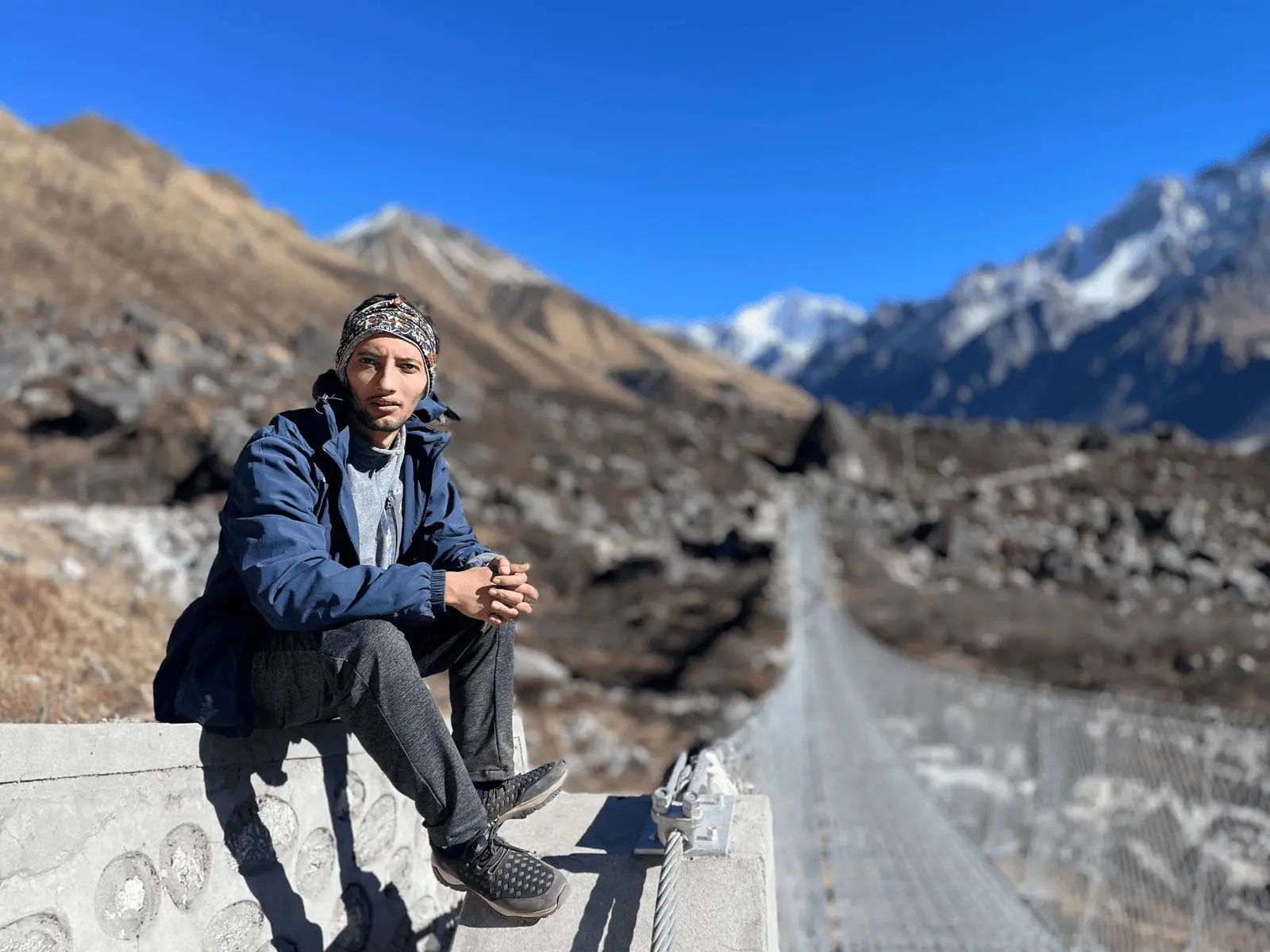
Trekking in Langtang Region

Langtang Valley Trek
10 Days

Langtang Valley Trek

Adventure Type

Trekking

Best Season

spring, autumn

Price $825

$750/pp

Max Altitude

4,770m

View Details
Gosaikunda Lake Trek
7 Days

Gosaikunda Lake Trek

Adventure Type

Trekking

Best Season

spring, autumn

Price $770

$700/pp

Max Altitude

4,380m

View Details
Tamang Heritage Trek
9 Days

Tamang Heritage Trek

Adventure Type

Trekking

Best Season

spring, autumn

Price $770

$700/pp

Max Altitude

3,165m

View Details
Helambu Trek
9 Days

Helambu Trek

Adventure Type

Trekking

Best Season

spring, summer, winter, autumn

Price $770

$700/pp

Max Altitude

3,650m

View Details

The Heart of the Journey: Wilderness and Sacred Peaks

The Langtang region is geographically compact but packed with diverse highlights that cater to nature lovers and spiritual seekers alike.

  • Kyanjin Gompa & Kyanjin Ri: The ultimate destination of the Langtang Valley. This high-altitude settlement is surrounded by snow-capped peaks. Climbing Kyanjin Ri (4,773m) provides a panoramic view of the entire Langtang range that will leave you breathless.
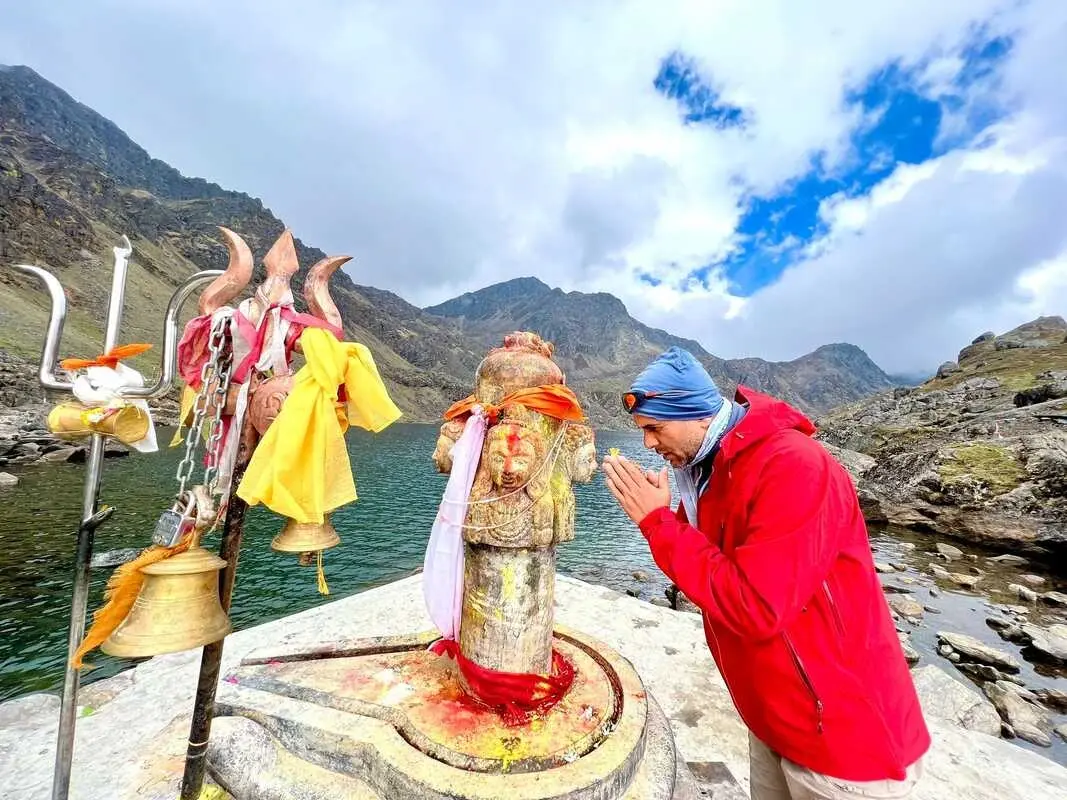
  • The Sacred Gosaikunda Lakes: Perched at 4,380m, these alpine lakes are sacred to both Hindus and Buddhists. According to legend, Lord Shiva created the lakes with his trident. The sight of the turquoise water reflecting the surrounding peaks is truly mystical.
  • Langtang National Park: As Nepal's first Himalayan national park, this area is a sanctuary for rare wildlife, including the elusive Red Panda and the Himalayan Thar. The trail transitions beautifully from temperate forests to the stark, beautiful alpine zone.

Life on the Trail: Tamang Heritage and Resilience

The Langtang region is the heartland of the Tamang people, whose culture is deeply influenced by Tibetan Buddhism. The hospitality here is warm, personal, and deeply authentic.

  • Authentic Cultural Immersion: Trekking through the Tamang Heritage Trail allows you to stay in traditional villages where ancient customs, colorful costumes, and traditional stone houses remain part of daily life.
  • Cozy Teahouse Stays: The teahouses in Langtang have been rebuilt with incredible resilience following the 2015 earthquake. They offer a cozy atmosphere, hot local meals, and a firsthand look at the strength and spirit of the local community.
  • Yak Cheese & Local Flavors: A visit to the Langtang region isn't complete without tasting the fresh yak cheese produced in the high-altitude alpine factories. It’s the perfect high-protein snack for the trail!

Preparing for Your Langtang Adventure

While Langtang is more accessible than other regions, it still requires proper preparation to ensure a comfortable journey.

Physical Fitness The treks in this region involve steady climbs, particularly the "Lama Hotel" stretch and the ascent to Gosaikunda. You should focus on cardiovascular training and building leg strength through hiking or cycling. While the altitudes are generally lower than the Everest or Manaslu circuits, the steepness of the terrain can be challenging for beginners.

Packing for Variable Climates The trail starts in a subtropical climate and ends in a glacial one. You will need a versatile clothing system. A lightweight waterproof shell is essential for the lower forest sections, while a heavy down jacket and warm hat are mandatory for the cold nights in Kyanjin Gompa or Gosaikunda.

Health and Acclimatization Even though you are close to Kathmandu, you will still reach heights above 4,000m. Our itineraries include gradual ascent profiles to prevent altitude sickness. We recommend staying well-hydrated and listening to your guide’s advice on pacing. The air is thinner at Kyanjin Gompa, and taking it slow is the secret to a successful trek.

Responsible Travel in Langtang

We are deeply committed to the sustainable redevelopment of the Langtang Valley. By trekking with us, you are directly contributing to the local economy and supporting the families who have worked tirelessly to rebuild their homes and trails. We practice strict "Leave No Trace" tourism, ensuring that the "Valley of Glaciers" remains pristine for future generations of adventurers.

Ready to explore the closest mountains to Kathmandu?

Talk to an Expert Today

Frequently Asked Questions about Langtang Region

Helpful answers gathered from treks and products in Langtang Region, Nepal.

The Langtang Valley Trek is considered a moderate trek, suitable for beginners with a reasonable level of fitness. It is one of the best options for those looking for a short trek in Nepal with rewarding views.
Typically, the Langtang Valley trek Nepal takes around 7–10 days depending on your itinerary and pace. This makes it a perfect choice for trekkers with limited time.
Yes, you need a Langtang National Park entry permit and a TIMS card for Langtang trekking. These permits are required to enter and trek within the Langtang National Park trek area.
The best time for the Langtang region trekking is during spring (March–May) and autumn (September–November). These seasons offer clear skies, stable weather, and stunning Himalayan views.
Yes, the Langtang Valley Trek is generally safe with well-marked trails and welcoming local communities. With proper preparation and guidance, it provides a memorable Himalayan trekking Nepal experience.
The ideal time is spring (March–May) and autumn (September–November), offering clear skies, moderate temperatures, and stunning Himalayan views.
The trek reaches Gosaikunda Lake at 4,380 meters, providing breathtaking views of the surrounding peaks and alpine landscapes.
A typical trek spans 7–10 days, depending on your pace and chosen route, covering forests, villages, and high-altitude lakes.
While trekking independently is possible, hiring a guide and porter is recommended for navigation, cultural insight, and carrying luggage, making your journey safer and more comfortable.
Pack layered clothing, warm accessories, sturdy boots, trekking poles, windproof gear, daypack, water, snacks, personal medications, and a camera to stay comfortable across changing altitudes and weather conditions.
The ideal seasons are spring (March to May) and autumn (September to November) when the weather is clear and the trails are safe.
The Tamang Heritage Trek is considered easy to moderate, suitable for first-time trekkers and those interested in cultural experiences.
Yes, hiring a local guide and porter is recommended for navigation, cultural insights, and carrying luggage comfortably.
Trekking is mostly in homestays and guesthouses, offering authentic local experiences and basic facilities.
The trek typically takes 7–9 days, including drives from and back to Kathmandu, covering Syabru Besi, Gatlang, Tatopani, Thuman, and Briddhim.
The Helambu Trek is considered a moderate trek, suitable for beginners with a reasonable level of fitness. It is one of the best short treks in Nepal with gradual ascents and well-marked trails.
The Helambu Trek Nepal typically takes around 7 to 9 days, depending on your itinerary and pace. This makes it ideal for those looking for a short yet rewarding Himalayan trekking experience.
The best time for the Helambu Trek is during spring (March to May) and autumn (September to November). These seasons offer clear skies, pleasant weather, and excellent mountain views.
Yes, you need permits such as the Shivapuri National Park entry permit and a TIMS card. Hiring a guide is highly recommended for a safer and more informative Helambu trekking itinerary.
The Helambu village trek offers basic teahouse accommodations with simple rooms and local meals. Despite being a short trek in Nepal, it provides a comfortable and authentic cultural experience.
Contact Us

Plan your next adventure with confidence.

Have questions, need a custom itinerary, or want help choosing the right trek? Send us your details and our team will get back to you within 24 hours.

Fast response

We usually reply within 24 hours with the next steps.

Tailor-made support

Share your dates, group size, and ideas. We’ll help shape the perfect trip.

Send us a message

Fill in your details below and we’ll reach out as soon as possible.