Logo
Explore AdventuresQuick Guide
No mega menu data available.
About CompanyOur ServicesOur PhilosophyOur Team
Everest Region

Everest Region

trekking

Everest Base Camp Trek: Journey to the Roof of the World

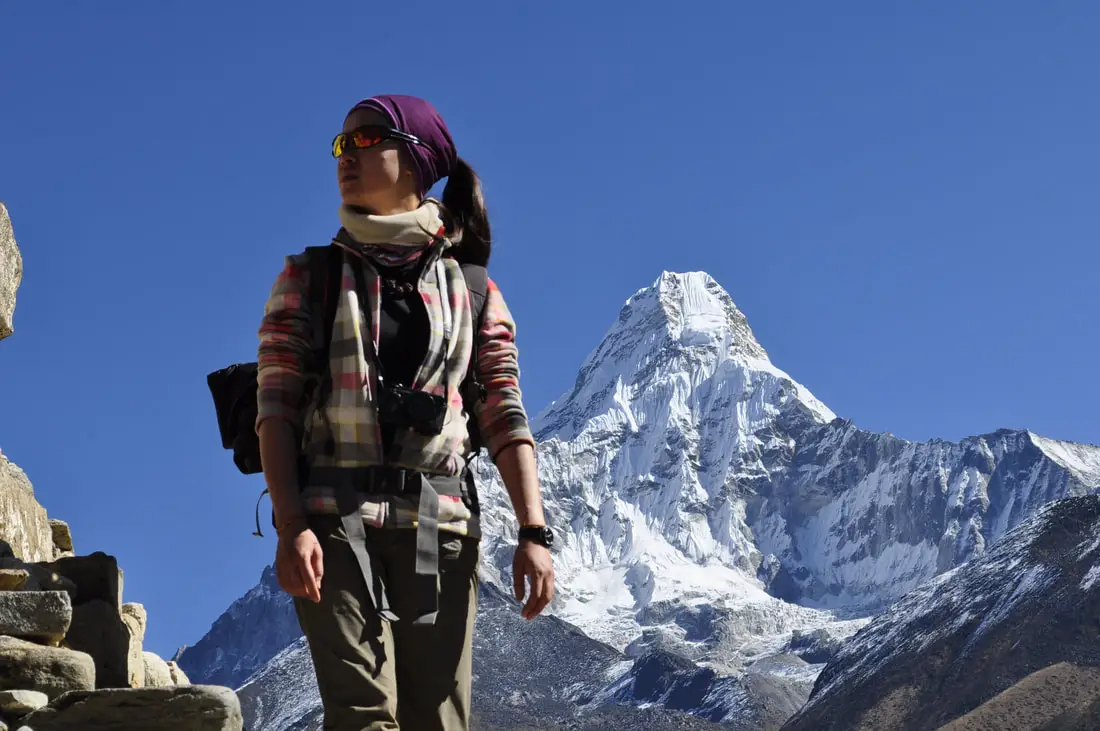
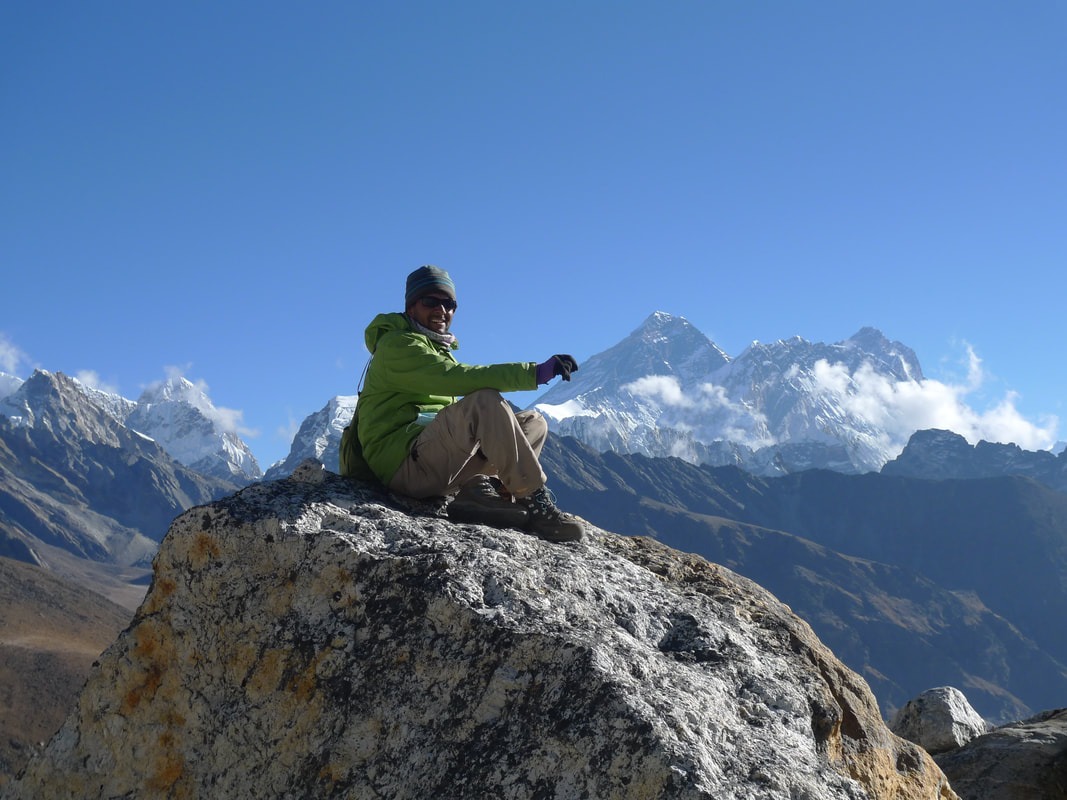
The Everest region is the ultimate dream for trekkers—a place where towering हिमालयन peaks, ancient Sherpa culture, and legendary trails come together. The Everest Base Camp Trek offers a once-in-a-lifetime opportunity to walk in the footsteps of mountaineering pioneers while witnessing the raw beauty of the world’s highest mountains.

This journey is not just about reaching Everest Base Camp; it’s about immersing yourself in the dramatic landscapes of the Khumbu region. From dense forests and roaring rivers to glacial valleys and high-altitude moraines, every step reveals a new dimension of the Himalayas, culminating in the awe-inspiring presence of Mount Everest.

Trekking in Everest Region

Everest Base Camp Trek
16 Days

Everest Base Camp Trek

Adventure Type

Trekking

Best Season

spring, autumn

Price $2,090

$1,900/pp

Max Altitude

5,364m

View Details
EBC Chola Pass Trek
20 Days

EBC Chola Pass Trek

Adventure Type

Trekking

Best Season

spring, autumn

Price $2,475

$2,250/pp

Max Altitude

5,420m

View Details
EBC Kongma La Pass Trek
15 Days

EBC Kongma La Pass Trek

Adventure Type

Trekking

Best Season

spring, autumn

Price $2,089

$1,899/pp

Max Altitude

5,545m

View Details
Three Pass Trek
20 Days

Three Pass Trek

Adventure Type

Trekking

Best Season

spring, autumn

Price $2,200

$2,000/pp

Max Altitude

5,545m

View Details
Renjo La Pass Trek
13 Days

Renjo La Pass Trek

Adventure Type

Trekking

Best Season

spring, autumn

Price $1,870

$1,700/pp

Max Altitude

5,360m

View Details
Gokyo Lake Trek
13 Days

Gokyo Lake Trek

Adventure Type

Trekking

Best Season

spring, autumn

Price $1,870

$1,700/pp

Max Altitude

5,357m

View Details
Everest View Trek
9 Days

Everest View Trek

Adventure Type

Trekking

Best Season

spring, autumn

Price $1,540

$1,400/pp

Max Altitude

3,868m

View Details

Our Signature Everest Treks

We have carefully designed a range of Everest trekking routes to suit every type of adventurer—from classic journeys to high-pass expeditions.

1. Everest Base Camp (EBC) Trek

The classic and most popular trekking route in Nepal, leading you to the base of the world’s highest mountain.

The Experience: Fly into Lukla and trek through iconic Sherpa villages like Namche Bazaar and Tengboche, gradually ascending to Everest Base Camp (5,364m).

Highlights: Stunning views from Kala Patthar (5,545m), Tengboche Monastery, and close-up views of Everest, Lhotse, and Nuptse.

Duration: 12–14 Days

2. Everest Base Camp Trek via Gokyo Lakes

A scenic alternative route that combines the beauty of turquoise glacial lakes with Everest Base Camp.

The Experience: Trek through the serene Gokyo Valley, cross the challenging Cho La Pass (5,420m), and join the classic EBC trail.

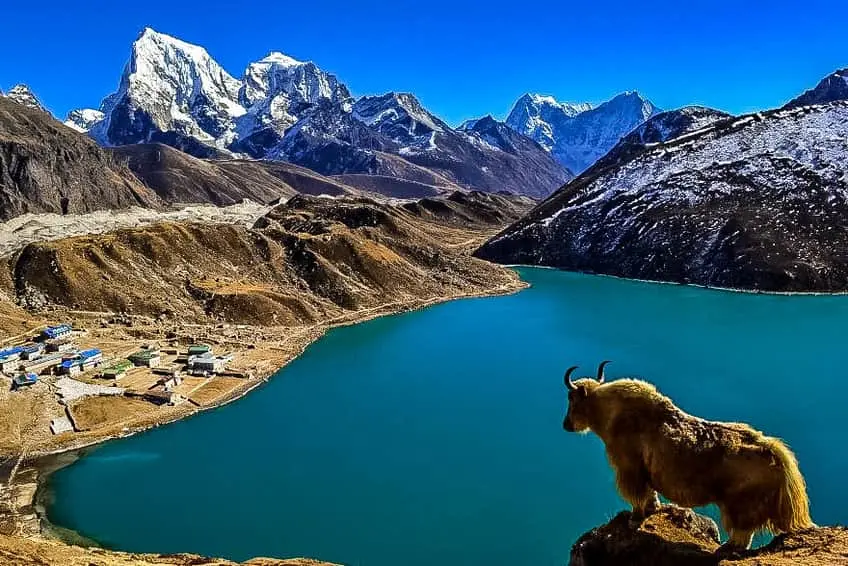
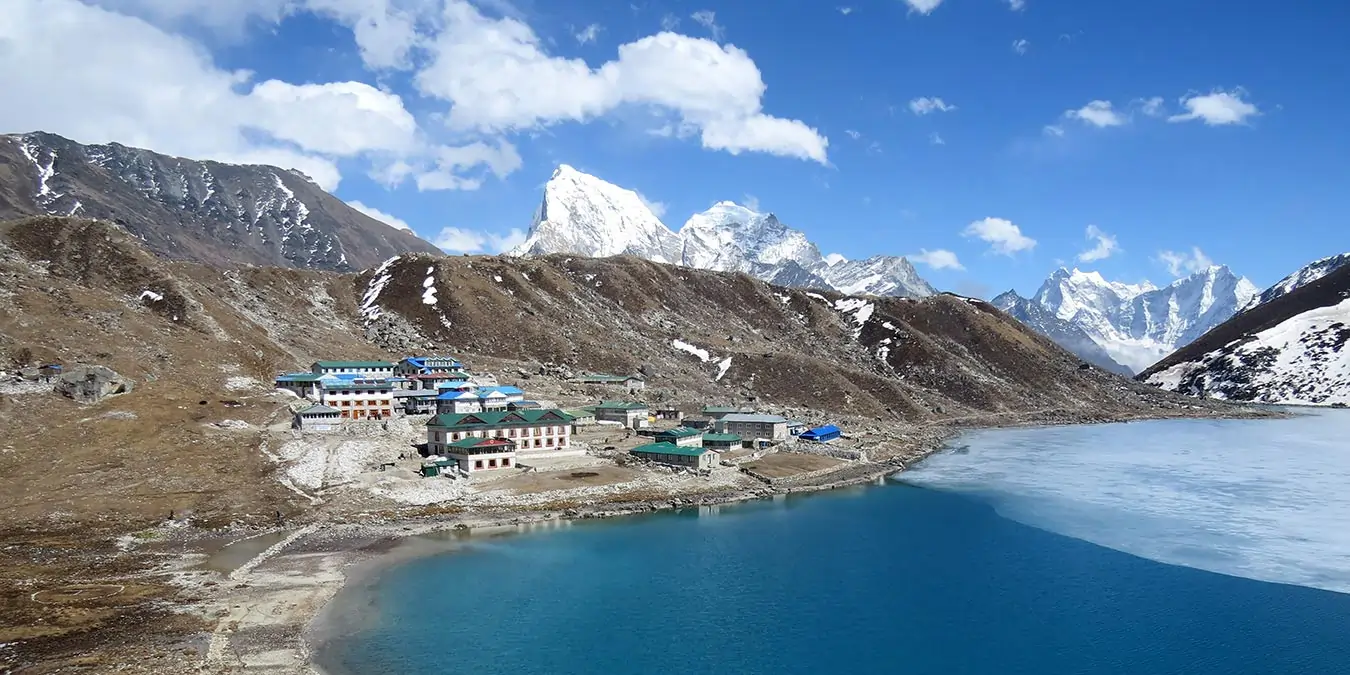
Highlights: Gokyo Lakes, panoramic views from Gokyo Ri, and fewer crowds compared to the main route.

Duration: 14–17 Days

3. Everest Three Passes Trek

The ultimate Everest adventure for experienced trekkers seeking high-altitude challenges.

The Experience: Cross three high passes—Kongma La, Cho La, and Renjo La—while exploring the entire Khumbu region.

Highlights: Remote valleys, dramatic landscapes, and unmatched panoramic views of Everest and surrounding peaks.

Duration: 18–21 Days

4. Everest View Trek

A short and rewarding trek perfect for beginners or those with limited time.

The Experience: Trek up to Namche Bazaar and nearby viewpoints for incredible Everest views without going to high altitude.

Highlights: Scenic flight to Lukla, Sherpa culture, and panoramic mountain views.

Duration: 5–7 Days

Life on the Trail: Sherpa Culture and Mountain Living

Trekking in the Everest region is as much about people as it is about mountains. The Khumbu region is home to the Sherpa community, known worldwide for their mountaineering skills and warm hospitality.

Mountain Lodges: Teahouses along the Everest trail are well-developed, offering comfortable rooms, warm dining halls, and basic amenities even at high altitudes.

Culinary Experience: Enjoy traditional meals like Dal Bhat alongside international dishes such as pasta, soups, and bakery items—even at remote mountain lodges.

Cultural Insight: Visit ancient monasteries like Tengboche and experience Buddhist traditions, prayer flags, and mani walls that define the spiritual landscape of the Khumbu.

Preparing for Your Everest Adventure

A successful Everest Base Camp Trek requires proper preparation, both physically and mentally.

Physical Readiness: The trek involves long walking days at high altitude. Focus on endurance training, including hiking, cardio workouts, and stair climbing.

Gear and Clothing: Layering is essential due to changing weather conditions. Pack thermal wear, insulated jackets, waterproof layers, and sturdy trekking boots suitable for rugged terrain.

Acclimatization and Safety: Proper acclimatization is crucial to avoid altitude sickness. Our itineraries include rest days, and our guides are trained to monitor your health and ensure a safe journey.

Sustainable Travel in Everest

We are committed to responsible trekking in the Everest region. By following eco-friendly practices and supporting local communities, we aim to preserve the beauty of the Himalayas for future generations.

We encourage trekkers to minimize plastic use, respect local customs, and follow “Leave No Trace” principles. Trekking with us ensures fair wages and ethical treatment for guides and porters, contributing directly to the local economy.

Ready to Conquer Everest?

The Everest Base Camp Trek is more than just a journey—it’s a personal achievement and a story you will carry forever.

Consult with a Trek Expert today

Frequently Asked Questions about Everest Region

Helpful answers gathered from treks and products in Everest Region, Nepal.

The Everest Base Camp Trek is moderately challenging, requiring good fitness. The main difficulty comes from altitude rather than technical trekking.
The standard Everest Base Camp Trek takes 14–16 days, including acclimatization days for safety and proper altitude adjustment.
Spring and autumn are the best seasons, offering clear mountain views, stable weather, and ideal trekking conditions.
A guide is highly recommended for safety, navigation, and local experience, especially in high-altitude conditions.
You need Sagarmatha National Park Permit and Khumbu Pasang Lhamu Rural Municipality permit for the trek.
Everest Base Camp is located in the Khumbu region of Nepal within the Everest Himalayas.
Teahouse lodges are available along the route, offering basic rooms and meals during the trek.
You take a flight from Kathmandu to Lukla Airport, which is the main gateway to the Everest region.
Yes, altitude sickness is a risk, so proper acclimatization, hydration, and gradual ascent are essential.
Yes, beginners with good physical preparation and determination can complete the Everest Base Camp Trek successfully
This trek includes Everest Base Camp plus the high mountain crossing of Cho La Pass and the scenic Gokyo Valley, making it a longer and more adventurous circuit.
Yes, Cho La Pass is considered challenging due to steep ascents, glacier sections, and possible snow or ice, requiring good fitness and basic trekking experience.
Yes, it is recommended. The combination of high altitude and pass crossing makes it more suitable for experienced trekkers than the standard EBC trek.
The trek usually takes 17 to 20 days depending on itinerary, acclimatization days, and walking pace.
Yes, alternative routes are available via Namche or helicopter return from Everest Base Camp area if weather or conditions become unsafe.
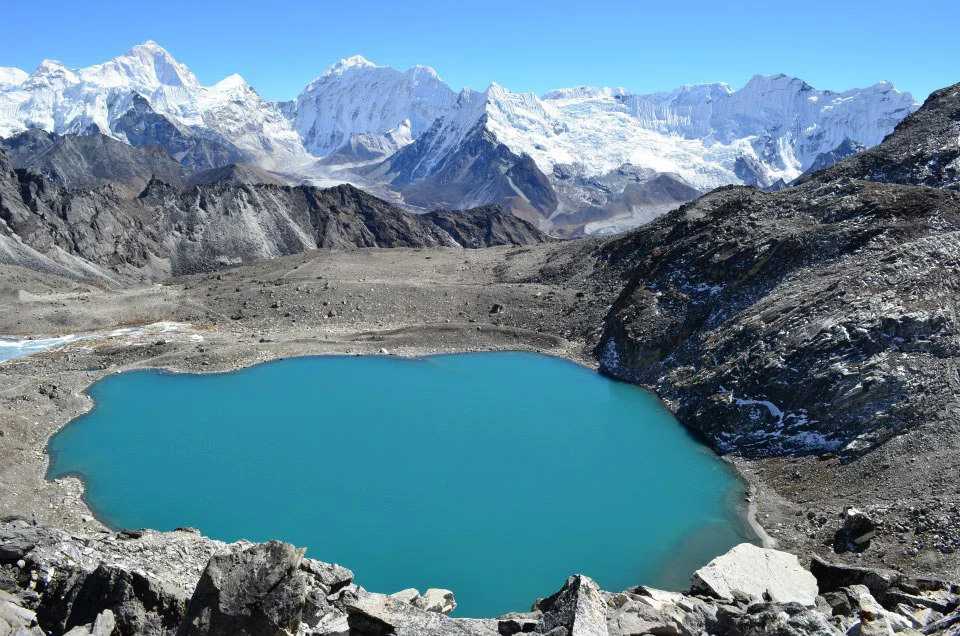
The main highlights include crossing Cho La Pass and exploring the beautiful Gokyo Lakes and Gokyo Ri viewpoint.
Yes, due to high elevations above 5,000m, proper acclimatization in places like Namche Bazaar and Dingboche is very important.
You will stay in basic teahouses with twin-sharing rooms, simple meals, and limited facilities in higher regions.
Spring (March–May) and Autumn (September–November) are the best seasons for stable weather, clear mountain views, and safer pass crossing conditions.
The EBC Kongma La Pass Trek is considered a challenging trek due to high altitude and crossing Kongma La Pass (5,535m). It is best suited for experienced trekkers looking for a true High Pass Trek Everest adventure.
The Everest Base Camp Trek via Kongma La typically takes around 15–17 days, including acclimatization days. This duration allows proper adjustment while completing this demanding EBC High Pass Route.
The best time for the Kongma La Pass Trek Nepal is during spring (March–May) and autumn (September–November). These seasons offer stable weather and clear mountain views for the Everest Adventure Trek.
Yes, acclimatization is essential for the EBC Kongma La Pass Trek due to high elevations above 5,000 meters. Proper rest days help reduce the risk of altitude sickness during the EBC Kongma La Pass Trek.
The EBC High Pass Route includes crossing high mountain passes like Kongma La, making it more adventurous than the standard route. It offers a more remote and rewarding experience for trekkers seeking a complete Everest Base Camp Trek via Kongma La.
The Everest Three Passes Trek is a challenging high-altitude adventure that crosses three major passes: Kongma La, Cho La, and Renjo La. It is considered one of the most complete trekking experiences in the Everest region.
The Three Pass Trek Nepal is a strenuous trek suitable for experienced trekkers with good physical fitness. It involves long walking days, high altitudes above 5,000 meters, and crossing glacier terrain.
The Everest High Pass Trek typically takes around 18–22 days, depending on the itinerary and acclimatization days. This allows proper adjustment to altitude and safe crossing of the high passes.
The trek includes crossing Kongma La Pass, Cho La Pass, and Renjo La Pass, along with visits to Everest Base Camp and Gokyo Lakes. Stunning views of Everest, glaciers, and remote valleys make it a top Everest Adventure Trek.
Yes, prior trekking experience is highly recommended for the Everest Circuit Trek due to its demanding nature. Familiarity with high-altitude trekking and good endurance significantly improve your safety and enjoyment.
The Renjo La Pass Trek is considered moderately to challenging due to high altitude and the crossing of Renjo La Pass (5,360m). Proper acclimatization and good physical fitness are essential for a safe and enjoyable experience.
The best time for the Renjo La Pass Trek is during spring (March–May) and autumn (September–November). These seasons offer clear skies, stable weather, and the best mountain views in the Everest region.
While prior trekking experience is helpful, beginners with good fitness and preparation can complete the Renjo La Pass Trek. Hiring a guide is highly recommended for safety and navigation.
For the Renjo La Pass Trek, you need a Sagarmatha National Park Permit and a Khumbu Pasang Lhamu Rural Municipality Permit. These permits are mandatory for trekking in the Everest region.
The Renjo La Pass Trek offers stunning views of Everest, Gokyo Lakes, and surrounding peaks like Cho Oyu. Crossing Renjo La Pass and exploring the less crowded trails make it a unique Everest trekking experience.
The Gokyo Lake Trek is considered a moderate to challenging trek due to its high altitude and long trekking days. Good physical fitness and some prior trekking experience are recommended.
The highest point of the trek is Gokyo Ri at 5,357 meters. It offers one of the best panoramic views of Everest, Cho Oyu, Lhotse, and Makalu.
The trek usually takes around 12 to 14 days, depending on the itinerary and acclimatization days included. This ensures a safe and enjoyable high-altitude experience.
Yes, hiring a licensed guide is highly recommended, and in many cases required. A guide ensures safety, proper navigation, and better cultural understanding of the region.
The best seasons are spring (March–May) and autumn (September–November). During these months, the weather is clear, and mountain views are at their best.
Yes, the Everest View Trek is considered an easy Everest trek and is perfect for beginners and first-time trekkers. It involves moderate walking days with proper acclimatization and does not require prior trekking experience.
The Everest View Trek is a short Everest trek that typically takes around 7–11 days, depending on your itinerary. It is ideal for those who want to experience the Everest region in a limited time.
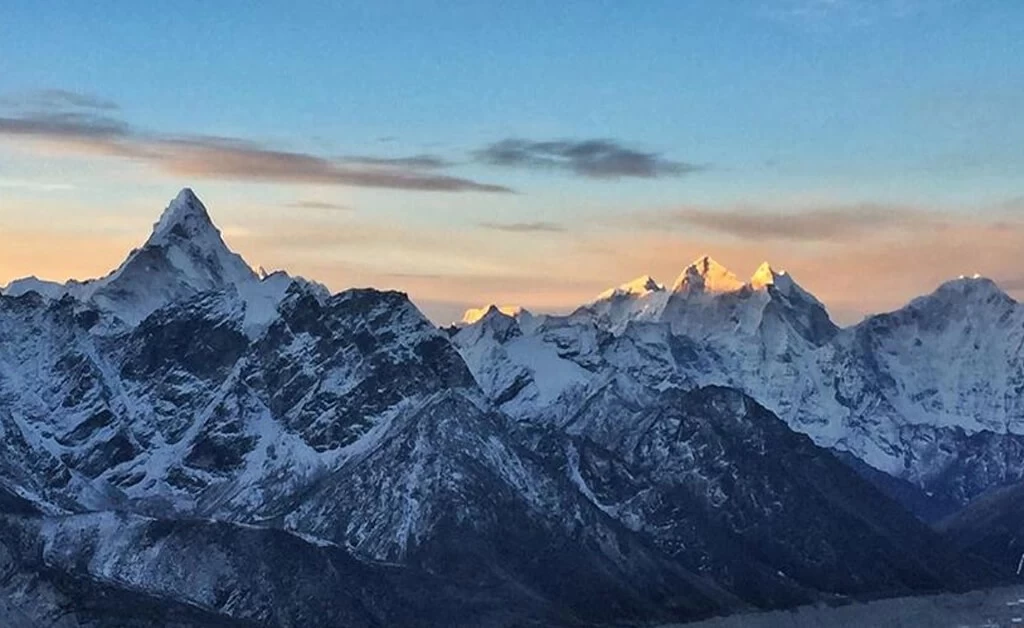
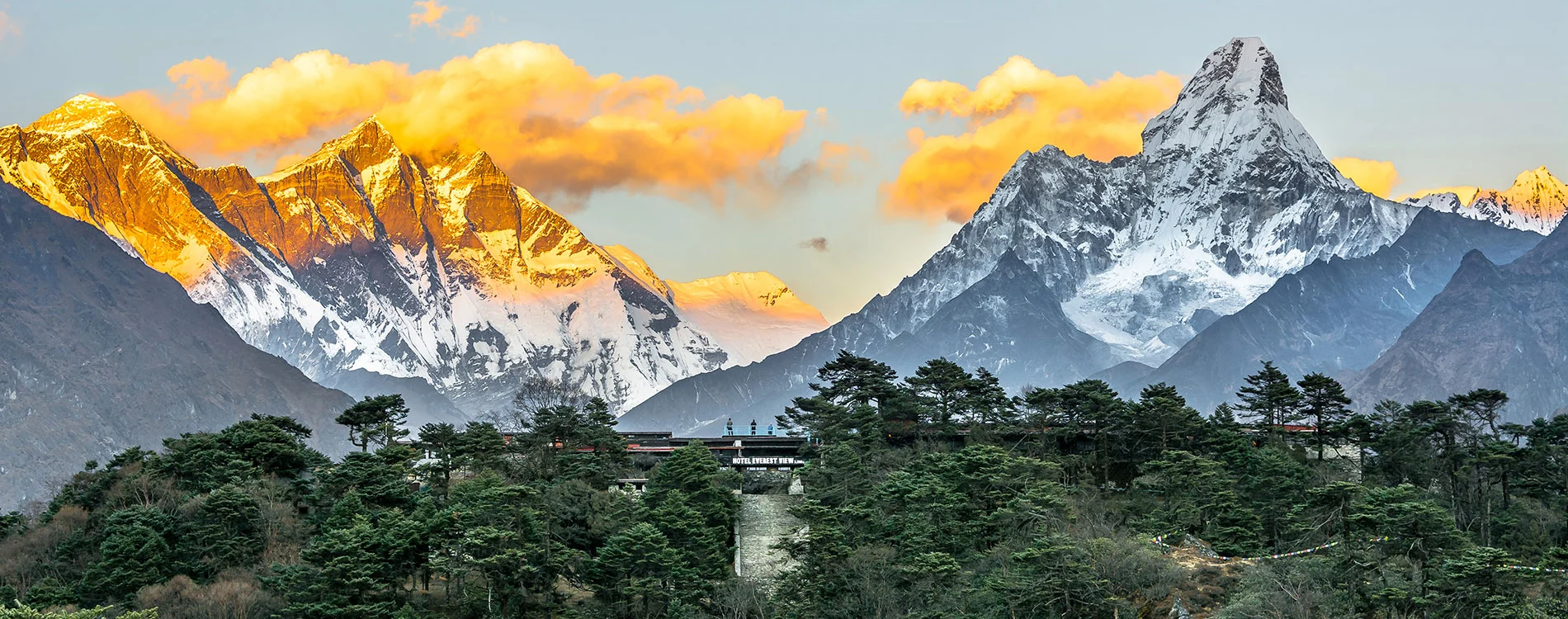
This Everest panorama trek offers stunning views of Mount Everest, Ama Dablam, Lhotse, and other Himalayan peaks. The best views are often seen from Namche Bazaar and Tengboche.
Yes, Everest View trekking in Nepal requires permits such as the Sagarmatha National Park Entry Permit and the Khumbu Pasang Lhamu Rural Municipality Permit. These are essential for entering the Everest region.
The highest point of the Everest View Trek is Tengboche at 3,870 meters. This makes it an easy Everest trek compared to longer and higher-altitude treks in the Everest region.
Contact Us

Plan your next adventure with confidence.

Have questions, need a custom itinerary, or want help choosing the right trek? Send us your details and our team will get back to you within 24 hours.

Fast response

We usually reply within 24 hours with the next steps.

Tailor-made support

Share your dates, group size, and ideas. We’ll help shape the perfect trip.

Send us a message

Fill in your details below and we’ll reach out as soon as possible.