Overview of Annapurna Circuit Trek
The Annapurna Circuit Trek is one of Nepal’s most iconic adventures, offering trekkers a breathtaking journey through diverse landscapes, from lush subtropical valleys to high alpine passes. Known as the “classic Himalayan trek,” it circles the mighty Annapurna Massif, providing panoramic views of peaks like Annapurna, Dhaulagiri, and Machhapuchhre. Along the trail, trekkers experience unique cultures, monasteries, temples, and traditional villages. This trek blends natural beauty with cultural richness, making it a bucket-list destination for adventure seekers worldwide.
The Annapurna Circuit Trek is celebrated for its incredible diversity in scenery, climate, and culture. Trekkers pass through rhododendron forests, terraced farmlands, rivers, and dramatic cliffs before reaching the high-altitude landscapes near Thorong La Pass. Villages along the way showcase a mix of Hindu and Buddhist traditions, offering authentic encounters with Gurung, Thakali, and Tibetan-influenced communities. The trek also provides opportunities to visit sacred sites, explore ancient trade routes, and enjoy warm hospitality, making it an unforgettable cultural and natural journey.
Regarded as one of the world’s greatest long-distance treks, the Annapurna Circuit is perfect for both adventure enthusiasts and culture lovers. Its accessibility from Pokhara and Kathmandu makes it popular among international travelers. The trail offers flexible itineraries and side trips, such as Tilicho Lake, ensuring every trekker finds a route that matches their interest and stamina. Combining spectacular Himalayan views, diverse ecosystems, and cultural immersion, the Annapurna Circuit Trek stands out as an unforgettable adventure in Nepal’s majestic mountains.
Trip Fact of Annapurna Circuit Trek

Destination
Nepal/ Annapurna Region

Duration
14 Days

Trip Grade
Moderate

Activities
Tour and Trek

Acc.
Hotels / Tea House

Food
Breakfast /Lunch /Dinner

Best Time
Sept to Nov / Mar to May

Max.altitude
5416 m

Transportation
Drive/ Flight

Group Size
1 to 14++

Map
Highlight of Annapurna Circuit Trek
- Thorong La Pass – Conquer one of the world’s highest trekking passes at 5,416m, offering panoramic Himalayan views. Proper acclimatization ensures a safe, thrilling, and unforgettable adventure for every trekker.
- Himalayan Views – Witness majestic peaks like Annapurna I, Dhaulagiri, Machhapuchhre, and Gangapurna. Sunrise and sunset create breathtaking panoramas, making photography and memories truly extraordinary along the Annapurna Circuit.
- Kali Gandaki Gorge – Trek through the world’s deepest gorge, nestled between Annapurna and Dhaulagiri. Dramatic landscapes, steep cliffs, and unique geological formations make this a visual highlight of the trek.
- Muktinath Temple – Visit the sacred Hindu-Buddhist temple at 3,800m, surrounded by snow-capped mountains. A perfect combination of spirituality, culture, and Himalayan scenery enriches the Annapurna Circuit experience.
- Manang Village – Explore this Tibetan-influenced village at 3,450m. Monasteries, Gangapurna Lake, and local culture offer excellent acclimatization and a deep insight into traditional Himalayan lifestyles.
- Tatopani Hot Springs – Relax in natural hot springs at Tatopani, soothing tired muscles after trekking. Enjoy the lush river valley surroundings while rejuvenating before continuing the journey.
- Poon Hill Sunrise – Hike to Poon Hill for a spectacular sunrise over Annapurna and Dhaulagiri. Vibrant colors and panoramic views make this a photographer’s and nature lover’s paradise.
- Diverse Landscapes – Journey through subtropical forests, terraced farmlands, alpine meadows, and arid Mustang deserts. Nepal’s ecological variety showcases stunning contrasts along the Annapurna Circuit Trek.
- Cultural Immersion – Engage with Gurung, Thakali, and Tibetan communities. Villages, monasteries, temples, and local traditions provide a rich cultural experience on the Annapurna Circuit Trek.
- Annapurna Conservation Area – Trek through this biodiversity region, spotting unique flora and fauna. Pristine Himalayan ecosystems encourage responsible tourism and connect trekkers with Nepal’s natural heritage.
Itinerary of Annapurna Circuit Trek
Day 1: Arrival in Nepal and Transfer to Hotel
Upon arrival at Tribhuvan International Airport in Kathmandu, friendly representatives from Big Sky Treks Nepal will welcome you and assist with airport formalities. You will be transferred to your comfortable hotel in the city, where you can rest and recover from your flight. Spend the day relaxing, enjoying the hotel amenities, or exploring nearby attractions. Experience the vibrant culture, local streets, and traditional Nepali cuisine, easing into the atmosphere of Kathmandu before beginning your Annapurna Circuit Trek adventure.
Day 2: City Tour and Trek Preparation
Discover Kathmandu’s vibrant heritage with visits to Pashupatinath Temple, Boudhanath Stupa, and Durbar Square. Prepare for the Annapurna Circuit Trek by securing permits, gear, and acclimatization tips. Shop for trekking essentials in Thamel, consult local guides, and ensure physical fitness
Day 3: Drive Kathmandu to Besishahar (800m) (175km, 7hrs drive)
The drive from Kathmandu to Besishahar offers travelers a scenic journey through Nepal’s lush hills, rivers, and terraced landscapes. Winding roads pass through charming villages, forests, and riverside towns, giving a glimpse of rural life and Himalayan foothills. Besishahar, the gateway to the Annapurna Circuit Trek, is a convenient starting point for trekking adventures. This road trip combines comfort with cultural and natural sights, ensuring an immersive experience before heading into the mountains. Ideal for first-time visitors and trekkers alike.
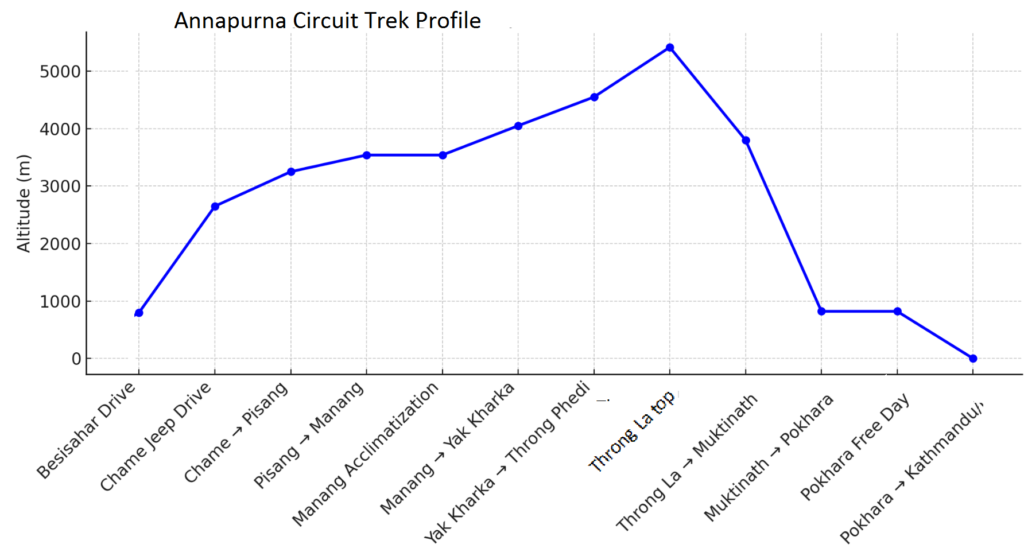
Day 4: Jeep Drive from Besisahar to Chame (2650m) (67Km, 5 Hrs Drive)
Kick start your Annapurna Circuit adventure with an exhilarating jeep ride from Besisahar to Chame. The route traverses scenic river valleys, terraced farmlands, and traditional villages, revealing authentic rural Nepal and panoramic Himalayan vistas. This journey combines comfort and adventure, giving trekkers more time to explore higher altitudes while witnessing daily village life, local culture, and stunning landscapes. Ideal for travelers seeking both convenience and immersive experiences, the Besisahar to Chame jeep drive is not just transport—it’s an unforgettable introduction to the Annapurna Circuit.
Day 5: Trek from Chame to Pisang (3250m) (13Km, 6 Hrs)
The trek from Chame to Pisang passes through scenic apple gardens where trekkers can taste local apple products, including apple juice, pies, and dried apples. Dhukur Pokhari is an ideal spot to relax and enjoy lunch surrounded by beautiful landscapes. The trail follows a motorable road, making it accessible while still offering Himalayan views, terraced fields, and traditional villages. Along the way, enjoy local culture, monasteries, and prayer flags, creating a memorable trekking experience with gradual acclimatization toward higher altitudes.
Day 6: Trek from Pisang to Manang (3540m) (15Km, 7 Hrs) / (19Km, 9 Hrs) 2 options
The trek from Pisang to Manang offers two choices: Option I – the lower route, easier and less strenuous, ideal for beginners and scenic valley walks. Option II – the upper route, more challenging but rewarding, provides panoramic Himalayan views and thrilling high-altitude landscapes. Trekkers with good stamina and a sense of adventure should choose the upper route for breathtaking vistas and unforgettable experiences. Both routes offer cultural encounters with local villages, traditional monasteries, and serene natural surroundings along the Annapurna Circuit.
Day 7: Acclimatization day in Manang
During the Annapurna Circuit Trek, an acclimatization day in Manang helps trekkers adjust to high altitude. The recommended approach is to hike higher in the day and return to sleep at a lower elevation, reducing the risk of altitude sickness. This practice strengthens the body, improves oxygen adaptation, and ensures a safer trek. Trekkers can explore nearby viewpoints, visit Gangapurna Lake, or interact with local Tibetan-influenced communities while allowing their bodies to adjust naturally to the Himalayan environment.
Day 8: Trek from Manang to Yak Kharka (4050m) (9Km, 5 Hrs)
The trek from Manang to Yak Kharka offers breathtaking views of Annapurna and Gangapurna peaks while passing through serene alpine landscapes. Trekkers experience traditional Tibetan-influenced villages, prayer flags, and yak pastures along the trail. This high-altitude route allows acclimatization and immersion in local culture, providing peaceful trails, pristine nature, and stunning Himalayan panoramas. Perfect for adventure seekers, the Manang to Yak Kharka trek combines natural beauty, cultural insight, and rewarding mountain scenery for an unforgettable Nepal trekking experience.
Day 9: Trek from Yak Kharka to Throng Phedi (4550) (6Km, 4 Hrs)
The trek from Yak Kharka to Thorong Phedi offers stunning views of the Annapurna and Gangapurna ranges. As trekkers ascend through the highland desert landscape, they are treated to panoramic vistas of snow-capped peaks and rugged terrain. The trail winds through alpine meadows and rocky paths, providing a serene and awe-inspiring experience. Thorong Phedi, situated at 4,550 meters, serves as the base for the challenging Thorong La Pass, offering trekkers a place to rest and acclimatize before the ascent.
Day 10: Trek from Throng Phedi – Thorong La pass (5416m) and Muktinath (3800m) (17Km, 10 Hrs)
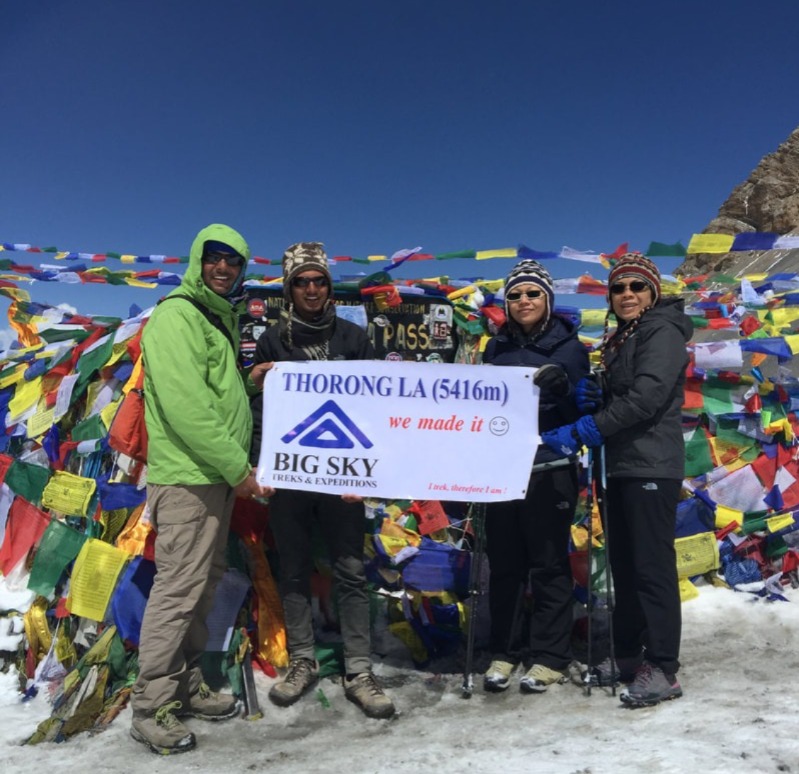
The trek from Thorong Phedi across Thorong La Pass to Muktinath is the most thrilling highlight of the Annapurna Circuit. Trekkers conquer one of the world’s highest passes at 5,416m, surrounded by breathtaking Himalayan panoramas of Annapurna, Dhaulagiri, and beyond. Reaching Muktinath, a sacred pilgrimage site for Hindus and Buddhists, adds spiritual depth to the adventure. This journey combines challenging high-altitude trekking with cultural exploration, making it a once-in-a-lifetime experience for those seeking both adventure and spirituality in Nepal’s Himalayas.
Day 11: Drive from Muktinath to Pokhara (174Km, 8 Hrs drive)
The scenic drive from Muktinath to Pokhara passes through stunning Himalayan landscapes, deepest Kaligandaki Gorge, and picturesque villages like Jomsom, Marpha, and Tatopani. Along the way, travelers can enjoy apple orchards, hot springs, Galeshwar Temple, and even Kusma Bungee Jump for adventure lovers. With a private vehicle, it’s possible to stop at every highlight, making the journey flexible and enriching. This overland trip beautifully connects the sacred Muktinath Temple with the serene lakeside city of Pokhara, blending culture, nature, and adventure.
Day 12: Pokhara Free day
After finishing the Annapurna Circuit Trek, spending a free day in Pokhara is the best way to relax and recharge. Visitors can enjoy peaceful moments by Phewa Lake, savoring lakeside views and local cuisine. Adventure seekers may try paragliding over Pokhara Valley for incredible Himalayan panoramas. For culture lovers, a short city tour covers landmarks like Davis Falls, Bindhyabasini Temple, and the World Peace Pagoda. Pokhara perfectly blends relaxation, adventure, and heritage, making it an unforgettable finale to your trekking journey.
Day 13: Drive or Flight from Pokhara to Kathmandu (200kms –7Hrs drive or 30 min flights)
After finishing the Annapurna Circuit Trek, we organize your return from Pokhara to Kathmandu according to your chosen itinerary—either by scenic road journey or short mountain flight. The drive offers countryside views, rivers, and rural villages, while the flight provides breathtaking aerial panoramas of the Himalayas. To make your Nepal adventure even more special, we arrange an evening Nepali cultural dinner as a farewell celebration. This memorable experience combines authentic food, music, and dance before you say goodbye.
Day 14: Departure from Nepal or follow your Next trip
After an unforgettable journey in Nepal, your departure can be scheduled according to your convenience. Whether flying home or continuing to explore, Big Sky Treks Nepal ensures smooth transfers and support. For adventure seekers, we can organize your next trip based on your interests, including trekking, cultural tours, or scenic adventures. Our flexible planning guarantees a personalized experience, seamless logistics, and memorable memories. Enjoy your final days in Nepal while preparing for your next exciting Himalayan adventure.
Alternative Trek
Short Annapurna Circuit Trek drive From Muktinath 12 &13 Days
Short Annapurna Circuit Trek drive From Muktinath 12 Days
- Day 1: Arrival in Nepal and Transfer to Hotel
- Day 2: Drive Kathmandu to Besishahar (800m) (175km, 7hrs drive)
- Day 3: Jeep Drive from Besisahar to Chame (2650m) (67Km, 5 Hrs Drive)
- Day 4: Trek from Chame to Pisang (3250m) (13Km, 6 Hrs)
- Day 5: Trek from Pisang to Manang (3540m) (15Km, 7 Hrs) / (19Km, 9 Hrs)
- Day 6: Acclimatization day in Manang
- Day 7: Trek from Manang to Yak Kharka (4050m) (9Km, 5 Hrs)
- Day 8: Trek from Yak Kharka to Throng Phedi (4550) (6Km, 4 Hrs)
- Day 9: Trek from Throng Phedi – Thorong La pass (5416m) and Muktinath (3800m) (17Km, 10 Hrs)
- Day 10: Drive from Muktinath to Pokhara (174Km, 8 Hrs drive)
- Day 11: Drive or Flight from Pokhara to Kathmandu or Lumbini (200kms –7Hrs drive or 30min flight)
- Day 12: Departure from Nepal or follow your Next trip
Short Annapurna Circuit Trek drive From Muktinath 13 Days
- Day 1: Arrival in Nepal and Transfer to Hotel
- Day 2: City Tour and Trek Preparation
- Day 3: Drive Kathmandu to Besishahar (800m) (175km, 7hrs drive)
- Day 4: Jeep Drive from Besisahar to Chame (2650m) (67Km, 5 Hrs Drive)
- Day 5: Trek from Chame to Pisang (3250m) (13Km, 6 Hrs)
- Day 6: Trek from Pisang to Manang (3540m) (15Km, 7 Hrs) / (19Km, 9 Hrs)
- Day 7: Acclimatization day in Manang
- Day 8: Trek from Manang to Yak Kharka (4050m) (9Km, 5 Hrs)
- Day 9: Trek from Yak Kharka to Throng Phedi (4550) (6Km, 4 Hrs)
- Day 10: Trek from Throng Phedi – Thorong La pass (5416m) and Muktinath (3800m) (17Km, 10 Hrs)
- Day 11: Trek from Muktinath to Pokhara (174Km, 8 Hrs drive)
- Day 12: Drive or Flight from Pokhara to Kathmandu or Lumbini (200kms –7Hrs drive or 30min flight)
- Day 13: Departure from Nepal or follow your Next trip
Short Annapurna Circuit Trek drive or flight From Jomsom (13-15) Days
Short Annapurna Circuit Trek drive or flight From Jomsom 13 Days
- Day 1: Arrival in Nepal and Transfer to Hotel
- Day 2: Drive Kathmandu to Besishahar (800m) (175km, 7hrs drive)
- Day 3: Jeep Drive from Besisahar to Chame (2650m) (67Km, 5 Hrs Drive)
- Day 4: Trek from Chame to Pisang (3250m) (13Km, 6 Hrs)
- Day 5: Trek from Pisang to Manang (3540m) (15Km, 7 Hrs) / (19Km, 9 Hrs)
- Day 6: Acclimatization day in Manang
- Day 7: Trek from Manang to Yak Kharka (4050m) (9Km, 5 Hrs)
- Day 8: Trek from Yak Kharka to Throng Phedi (4550) (6Km, 4 Hrs)
- Day 9: Trek from Throng Phedi – Thorong La pass (5416m) and Muktinath (3800m) (17Km, 10 Hrs)
- Day 10: Trek from Muktinath to Jomsom (20Km, 7Hrs)
- Day 11: Trek or Fly from Jomsom to Pokhara (160Km, 7 Hrs drive) or 30-minute Fly
- Day 12: Drive or Flight from Pokhara to Kathmandu or Lumbini (200kms –7Hrs drive or 30min flight)
- Day 13: Departure from Nepal or follow your Next trip
Short Annapurna Circuit Trek drive or flight From Jomsom 14 Days
- Day 1: Arrival in Nepal and Transfer to Hotel
- Day 2: City Tour and Trek Preparation
- Day 3: Drive Kathmandu to Besishahar (800m) (175km, 7hrs drive)
- Day 4: Jeep Drive from Besisahar to Chame (2650m) (67Km, 5 Hrs Drive)
- Day 5: Trek from Chame to Pisang (3250m) (13Km, 6 Hrs)
- Day 6: Trek from Pisang to Manang (3540m) (15Km, 7 Hrs) / (19Km, 9 Hrs)
- Day 7: Acclimatization day in Manang
- Day 8: Trek from Manang to Yak Kharka (4050m) (9Km, 5 Hrs)
- Day 9: Trek from Yak Kharka to Throng Phedi (4550) (6Km, 4 Hrs)
- Day 10: Trek from Throng Phedi – Thorong La pass (5416m) and Muktinath (3800m) (17Km, 10 Hrs)
- Day 11: Trek from Muktinath to Jomsom (20Km, 7Hrs)
- Day 12: Trek or Fly from Jomsom to Pokhara (160Km, 7 Hrs drive) or 30-minute Fly
- Day 13: Drive or Flight from Pokhara to Kathmandu or Lumbini (200kms –7Hrs drive or 30min flight)
- Day 14: Departure from Nepal or follow your Next trip
Short Annapurna Circuit Trek drive or flight From Jomsom 15 Days
- Day 1: Arrival in Nepal and Transfer to Hotel
- Day 2: City Tour and Trek Preparation
- Day 3: Drive Kathmandu to Besishahar (800m) (175km, 7hrs drive)
- Day 4: Jeep Drive from Besisahar to Chame (2650m) (67Km, 5 Hrs Drive)
- Day 5: Trek from Chame to Pisang (3250m) (13Km, 6 Hrs)
- Day 6: Trek from Pisang to Manang (3540m) (15Km, 7 Hrs) / (19Km, 9 Hrs)
- Day 7: Acclimatization day in Manang
- Day 8: Trek from Manang to Yak Kharka (4050m) (9Km, 5 Hrs)
- Day 9: Trek from Yak Kharka to Throng Phedi (4550) (6Km, 4 Hrs)
- Day 10: Trek from Throng Phedi – Thorong La pass (5416m) and Muktinath (3800m) (17Km, 10 Hrs)
- Day 11: Trek from Muktinath to Jomsom (20Km, 7Hrs)
- Day 12: Trek or Fly from Jomsom to Pokhara (160Km, 7 Hrs drive) or 30-minute Fly
- Day 13: Free day in Pokhara
- Day 14: Drive or Flight from Pokhara to Kathmandu or Lumbini (200kms –7Hrs drive or 30min flight)
- Day 15: Departure from Nepal or follow your Next trip
Short Annapurna Circuit Trek with hot spring (14-16) Days
Short Annapurna Circuit Trek with hot spring 14 Days
- Day 1: Arrival in Nepal and Transfer to Hotel
- Day 2: Drive Kathmandu to Besishahar (800m) (175km, 7hrs drive)
- Day 3: Jeep Drive from Besisahar to Chame (2650m) (67Km, 5 Hrs Drive)
- Day 4: Trek from Chame to Pisang (3250m) (13Km, 6 Hrs)
- Day 5: Trek from Pisang to Manang (3540m) (15Km, 7 Hrs) / (19Km, 9 Hrs)
- Day 6: Acclimatization day in Manang
- Day 7: Trek from Manang to Yak Kharka (4050m) (9Km, 5 Hrs)
- Day 8: Trek from Yak Kharka to Throng Phedi (4550) (6Km, 4 Hrs)
- Day 9: Trek from Throng Phedi – Thorong La pass (5416m) and Muktinath (3800m) (17Km, 10 Hrs)
- Day 10: Trek from Muktinath to Jomsom (20Km, 7Hrs)
- Day 11: Drive from Jomsom to Tatopani (48Km, 3 Hrs drive)
- Day 12: Drive from Tatopani to Pokhara (112Km, 4 Hrs drive)
- Day 13: Drive or Flight from Pokhara to Kathmandu or Lumbini (200kms –7Hrs drive or 30min flight)
- Day 14: Departure from Nepal or follow your Next trip
Short Annapurna Circuit Trek with hot spring 15 Days
- Day 1: Arrival in Nepal and Transfer to Hotel
- Day 2: City Tour and Trek Preparation
- Day 3: Drive Kathmandu to Besishahar (800m) (175km, 7hrs drive)
- Day 4: Jeep Drive from Besisahar to Chame (2650m) (67Km, 5 Hrs Drive)
- Day 5: Trek from Chame to Pisang (3250m) (13Km, 6 Hrs)
- Day 6: Trek from Pisang to Manang (3540m) (15Km, 7 Hrs) / (19Km, 9 Hrs)
- Day 7: Acclimatization day in Manang
- Day 8: Trek from Manang to Yak Kharka (4050m) (9Km, 5 Hrs)
- Day 9: Trek from Yak Kharka to Throng Phedi (4550) (6Km, 4 Hrs)
- Day 10: Trek from Throng Phedi – Thorong La pass (5416m) and Muktinath (3800m) (17Km, 10 Hrs)
- Day 11: Trek from Muktinath to Jomsom (20Km, 7Hrs)
- Day 12: Drive from Jomsom to Tatopani (48Km, 3 Hrs drive)
- Day 13: Drive from Tatopani to Pokhara (112Km, 4 Hrs drive)
- Day 14: Drive or Flight from Pokhara to Kathmandu or Lumbini (200kms –7Hrs drive or 30min flight)
- Day 15: Departure from Nepal or follow your Next trip
Short Annapurna Circuit Trek with hot spring 16 Days
- Day 1: Arrival in Nepal and Transfer to Hotel
- Day 2: City Tour and Trek Preparation
- Day 3: Drive Kathmandu to Besishahar (800m) (175km, 7hrs drive)
- Day 4: Jeep Drive from Besisahar to Chame (2650m) (67Km, 5 Hrs Drive)
- Day 5: Trek from Chame to Pisang (3250m) (13Km, 6 Hrs)
- Day 6: Trek from Pisang to Manang (3540m) (15Km, 7 Hrs) / (19Km, 9 Hrs)
- Day 7: Acclimatization day in Manang
- Day 8: Trek from Manang to Yak Kharka (4050m) (9Km, 5 Hrs)
- Day 9: Trek from Yak Kharka to Throng Phedi (4550) (6Km, 4 Hrs)
- Day 10: Trek from Throng Phedi – Thorong La pass (5416m) and Muktinath (3800m) (17Km, 10 Hrs)
- Day 11: Trek from Muktinath to Jomsom (20Km, 7Hrs)
- Day 12: Drive from Jomsom to Tatopani (48Km, 3 Hrs drive)
- Day 13: Drive from Tatopani to Pokhara (112Km, 4 Hrs drive)
- Day 14: Free day in Pokhara
- Day 15: Drive or Flight from Pokhara to Kathmandu or Lumbini (200kms –7Hrs drive or 30min flight)
- Day 16: Departure from Nepal or follow your Next trip
Short Annapurna Circuit Trek from Pokhara
Short Annapurna Circuit Trek with hot spring 11 Days
- Day A: Meet your guide. Review the trip plan. Discuss safety and gear. Make final adjustments. We’ll pick you up from the bus station or airport.
- Day 1: Drive from Pokhara to Besishahar (800m) (125km, 6hrs drive)
- Day 2: Jeep Drive from Besisahar to Chame (2650m) (67Km, 5 Hrs Drive)
- Day 3: Trek from Chame to Pisang (3250m) (13Km, 6 Hrs)
- Day 4: Trek from Pisang to Manang (3540m) (15Km, 7 Hrs) / (19Km, 9 Hrs)
- Day 5: Acclimatization day in Manang
- Day 6: Trek from Manang to Yak Kharka (4050m) (9Km, 5 Hrs)
- Day 7: Trek from Yak Kharka to Throng Phedi (4550) (6Km, 4 Hrs)
- Day 8: Trek from Throng Phedi – Thorong La pass (5416m) and Muktinath (3800m) (17Km, 10 Hrs)
- Day 9: Trek from Muktinath to Jomsom (20Km, 7Hrs)
- Day 10: Drive from Jomsom to Tatopani (48Km, 3 Hrs drive)
- Day 11: Drive from Tatopani to Pokhara (112Km, 4 Hrs drive). follow your next trip
Follow your next Plan
Short Annapurna Circuit Trek drive or flight From Jomsom 10 Days
- Day A: Meet your guide. Review the trip plan. Discuss safety and gear. Make final adjustments. We’ll pick you up from the bus station or airport.
- Day 1: Drive from Pokhara to Besishahar (800m) (125km, 6hrs drive)
- Day 2: Jeep Drive from Besisahar to Chame (2650m) (67Km, 5 Hrs Drive)
- Day 3: Trek from Chame to Pisang (3250m) (13Km, 6 Hrs)
- Day 4: Trek from Pisang to Manang (3540m) (15Km, 7 Hrs) / (19Km, 9 Hrs)
- Day 5: Acclimatization day in Manang
- Day 6: Trek from Manang to Yak Kharka (4050m) (9Km, 5 Hrs)
- Day 7: Trek from Yak Kharka to Throng Phedi (4550) (6Km, 4 Hrs)
- Day 8: Trek from Throng Phedi – Thorong La pass (5416m) and Muktinath (3800m) (17Km, 10 Hrs)
- Day 9: Trek from Muktinath to Jomsom (20Km, 7Hrs)
- Day 10: Trek or Fly from Jomsom to Pokhara (160Km, 7 Hrs drive) or 30-minute Fly. follow your next trip
Follow your next Plan
Short Annapurna Circuit Trek drive From Muktinath 9 Days
- Day A: Meet your guide. Review the trip plan. Discuss safety and gear. Make final adjustments. We’ll pick you up from the bus station or airport.
- Day 1: Day 1: Drive from Pokhara to Besishahar (800m) (125km, 6hrs drive)
- Day 2: Jeep Drive from Besisahar to Chame (2650m) (67Km, 5 Hrs Drive)
- Day 3: Trek from Chame to Pisang (3250m) (13Km, 6 Hrs)
- Day 4: Trek from Pisang to Manang (3540m) (15Km, 7 Hrs) / (19Km, 9 Hrs)
- Day 5: Acclimatization day in Manang
- Day 6: Trek from Manang to Yak Kharka (4050m) (9Km, 5 Hrs)
- Day 7: Trek from Yak Kharka to Throng Phedi (4550) (6Km, 4 Hrs)
- Day 8: Trek from Throng Phedi – Thorong La pass (5416m) and Muktinath (3800m) (17Km, 10 Hrs)
- Day 9: Drive from Muktinath to Pokhara (174Km, 8 Hrs drive) follow your next trip
Follow your next Plan
Include and Exclude Annapurna Circuit Trek
Include In Annapurna Circuit Trek
- Airport Transfers: Private vehicle pick-up and drop-off in Kathmandu.
- Accommodation: Hotels in Kathmandu and Pokhara (as per itinerary) with breakfast included.
- Trekking Permits & Documents: All required permits (ACAP and TIMS), official paperwork, office service charges, and government taxes.
- Transportation During Trip: Transport from Kathmandu to Besisahar, Besisahar to Chame, and Muktinath to Pokhara as per the itinerary.
- Trekking Guide: Experienced English-speaking trekking guide for safety and support.
- Porters: One porter for every two trekkers to carry luggage.
- Duffel Bag: Available upon request; please inform us before booking or upon arrival.
- Trekking Map: A detailed trekking route map for the group leader.
- Food & Accommodation During Trek: Meals (breakfast, lunch, and dinner) and lodging in tea houses.
- Farewell Nepali Dinner: Traditional dinner at a Nepali restaurant to celebrate the trek’s completion.
Exclude In Annapurna Circuit Trek
- International Flight & Airport Tax: Flight tickets and airport taxes are not included.
- Nepal Visa: Obtainable on arrival at the airport.
- City Meals: Lunch and dinner in Kathmandu, Pokhara,
- City Tours: City tour with vehicle and entry fees (can be organized on request)
- Personal Expenses: Laundry, phone calls, snacks, drinks, bar bills, and camera battery charging.
- Travel Insurance: Must cover emergency evacuation, including trekking to the highest point in the itinerary.
- Personal Trekking Equipment: Essential gear for comfort and safety during the trek.
- Local Transport During Trek: Jeep or bus rides not mentioned in the itinerary.
- Tips & Gifts: For guides, porters, drivers, and related staff.
Annapurna Circuit Trek Summary
The Annapurna Circuit Trek is a classic Himalayan adventure, offering trekkers an extraordinary journey through diverse landscapes, from subtropical forests and terraced farmlands to high alpine passes and arid Mustang deserts. Along the route, trekkers enjoy panoramic views of majestic peaks like Annapurna, Dhaulagiri, and Machhapuchhre. The trail passes through picturesque villages, monasteries, and temples, allowing travelers to experience authentic Nepali culture. Ideal for adventure seekers, this trek blends natural beauty, cultural richness, and thrilling high-altitude experiences in a single unforgettable journey.
The trek showcases incredible ecological and cultural diversity, moving through rhododendron forests, river gorges, and high mountain valleys. Traditional Gurung, Thakali, and Tibetan-influenced villages offer cultural immersion and local hospitality, while sacred sites such as Muktinath Temple provide spiritual experiences. Highlights include the Thorong La Pass, Kali Gandaki Gorge, Tilicho Lake side trip, and Poon Hill sunrise. With flexible itineraries, trekkers can customize their journey for rest days or side trips, ensuring a safe, memorable, and enriching experience across Nepal’s Annapurna region.
Regarded as one of the world’s most famous treks, the Annapurna Circuit attracts both nature lovers and adventure enthusiasts. The trail’s accessibility from Pokhara and Kathmandu, combined with well-established tea houses and lodges, ensures comfort and convenience. Trekkers enjoy breathtaking Himalayan vistas, diverse flora and fauna, and authentic cultural encounters throughout the journey. This trek is ideal for photography, cultural exploration, and high-altitude trekking. With expert guides, proper preparation, and support from Big Sky Treks Nepal, the Annapurna Circuit promises an unforgettable Himalayan adventure.
Mountains Visible on Annapurna Circuit Trek
- Annapurna I – 8,091 m
- Dhaulagiri I – 8,167 m
- Annapurna II – 7,937 m
- Annapurna III – 7,555 m
- Annapurna IV – 7,525 m
- Machhapuchhre (Fishtail) – 6,997 m
- Gangapurna – 7,455 m
- Tilicho Peak – 7,134 m
- Chulu East – 6,584 m
- Chulu West – 6,419 m
- Hiunchuli – 6,441 m
- Nilgiri South – 6,839 m
- Nilgiri Central – 6,940 m
- Nilgiri North – 7,061 m
- Baraha Shikhar – 7,200 m
FAQ About Annapurna Circuit Trek
What is the Annapurna Circuit Trek?
The Annapurna Circuit Trek generally takes 14 to 21 days depending on the chosen route and pace. Trekkers start from Besisahar or Jagat, crossing through Manang, Thorong La Pass, and descending via Muktinath or Jomsom. Some variations include side trips to Tilicho Lake or Upper Mustang. This duration allows proper acclimatization and a relaxed experience through scenic valleys, forests, and traditional villages. Daily trekking is balanced to enjoy the surroundings without rushing. The trek is suitable for adventure seekers and cultural explorers alike.
What is the best season for the Annapurna Circuit Trek?
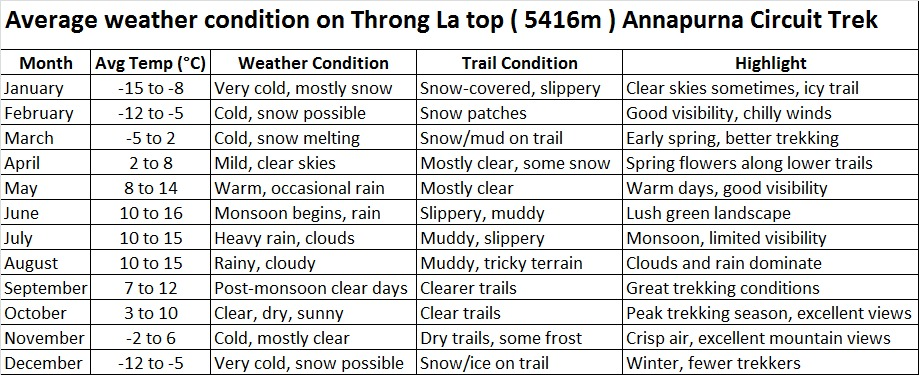
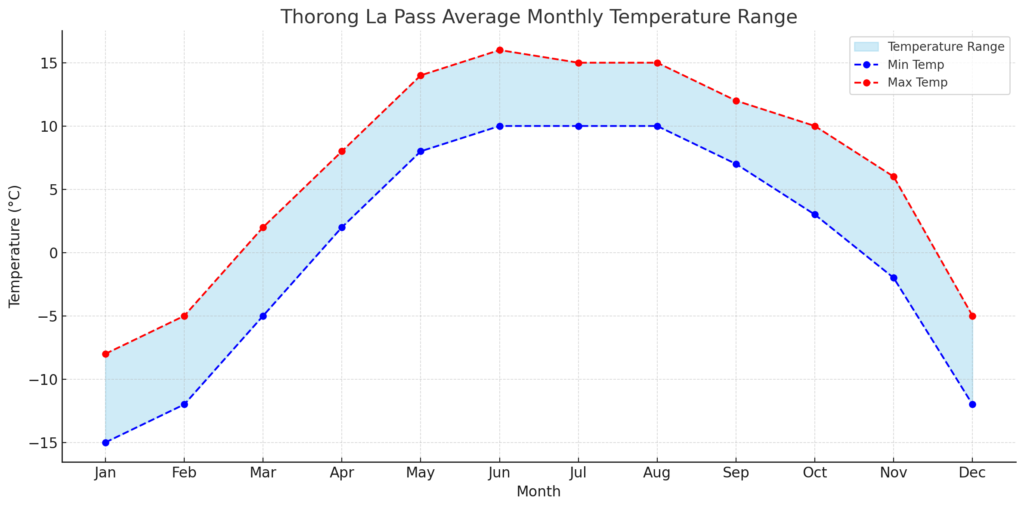
The best seasons for the Annapurna Circuit Trek are spring (March to May) and autumn (September to November). Spring offers blooming rhododendrons, clear skies, and mild temperatures, while autumn delivers stable weather and panoramic mountain views. Monsoon season (June to August) is less recommended due to landslides and slippery trails, though it showcases lush green landscapes. Winter (December to February) brings snow and cold temperatures, especially above Thorong La. Choosing the right season ensures safe trekking, stunning views, and an unforgettable Himalayan experience.
What are the must-see highlights of the Annapurna Circuit Trek?
Key highlights of the Annapurna Circuit Trek include Thorong La Pass, Tilicho Lake, Manang Valley, Muktinath Temple, and scenic villages like Chame, Pisang, and Marpha. Trekkers enjoy panoramic views of Annapurna, Dhaulagiri, Machapuchare, and Gangapurna. Natural hot springs at Tatopani, cultural interactions with Gurung and Thakali communities, and the Kali Gandaki Gorge, one of the world’s deepest, add unique experiences. The combination of diverse landscapes, traditional lifestyles, and Himalayan peaks makes the Annapurna Circuit a bucket-list trek for adventure enthusiasts and cultural explorers.
How difficult is the Annapurna Circuit Trek?
The Annapurna Circuit Trek is considered moderate to challenging, suitable for trekkers with good fitness. The route includes long daily walks, steep ascents, and descending trails, especially crossing Thorong La Pass. Trekkers must be prepared for altitude changes and occasional cold weather. Proper acclimatization, regular breaks, and trekking with experienced guides reduce risks. Despite the physical demand, the well-established teahouse lodges, diverse scenery, and cultural encounters make it accessible for determined hikers seeking adventure with comfort and safety in the Annapurna region.
What permits are required for the Annapurna Circuit Trek?
Trekkers need an Annapurna Conservation Area Permit (ACAP) and a Trekkers’ Information Management System (TIMS) card. ACAP fees support conservation and local development, while TIMS ensures safety and registration of trekkers. Permits are obtained in Kathmandu or Pokhara before starting the trek. Guides can assist with paperwork for convenience. Carrying permits is mandatory, and authorities may check them at checkpoints. Having these permits ensures legal trekking, environmental responsibility, and safety, contributing to a smooth and hassle-free Annapurna Circuit Trek experience.
What should I pack for the Annapurna Circuit Trek?
Packing for the Annapurna Circuit Trek requires lightweight, layered clothing suitable for variable weather. Essentials include trekking boots, warm jackets, thermal wear, rain gear, gloves, hats, sunglasses, and a sleeping bag. Trekking poles, a first-aid kit, water bottles, and sunscreen are important. Keep your pack balanced to avoid strain. Comfortable clothing for teahouses and personal toiletries enhance the stay. Proper preparation ensures safety, warmth, and comfort while trekking through valleys, high passes, and villages, making the experience enjoyable and memorable in Nepal’s Annapurna region.
Is it safe to trek the Annapurna Circuit?
Yes, the Annapurna Circuit Trek is generally safe for trekkers with proper preparation. Hiring experienced guides, following acclimatization schedules, and using suitable trekking gear reduces risks. Be mindful of altitude sickness, weather changes, and trail conditions, particularly at Thorong La Pass. Most villages along the route provide reliable accommodations and food. Staying hydrated, eating properly, and listening to your body enhances safety. Emergency services and rescue options are available in key locations, making the trek secure and manageable while enjoying Nepal’s majestic Himalayas.
Can beginners do the Annapurna Circuit Trek?
Beginners can attempt the Annapurna Circuit Trek if physically fit, well-prepared, and accompanied by experienced guides. While the trek involves long walks, elevation gain, and diverse terrains, proper acclimatization and gradual pacing make it accessible. Teahouse lodges, organized trekking groups, and support from guides and porters ease the journey. Beginners benefit from learning basic trekking skills, enjoying local culture, and experiencing Himalayan landscapes safely. With motivation, planning, and preparation, even first-time trekkers can successfully complete the Annapurna Circuit Trek in Nepal.
How much does the Annapurna Circuit Trek cost?
The Annapurna Circuit Trek cost varies based on services, duration, and travel style. Independent trekkers spend less, mainly on permits, food, and lodging, while guided treks with porters increase the budget. A typical organized trek ranges from $900 to $1,500 per person, covering guide fees, accommodation, meals, permits, and transportation. Costs rise for private arrangements or luxury lodges. Proper budgeting ensures a safe and comfortable experience while exploring the Annapurna region. Investing in guided services enhances safety, cultural understanding, and convenience for trekkers.
What mountains can be seen on the Annapurna Circuit?
The Annapurna Circuit offers panoramic views of iconic peaks including Annapurna I (8,091m), Annapurna South (7,219m), Machapuchare (6,993m), Dhaulagiri (8,167m), Nilgiri (7,061m), and Lamjung Himal (6,983m). Trekkers can witness both snow-capped giants and unique highland landscapes along the trail. From subtropical forests to arid Mustang-like terrain, every section provides distinct perspectives of these majestic mountains. This trek offers photographers and adventure seekers the chance to experience Nepal’s diverse natural beauty while connecting with local cultures and sacred sites like Muktinath Temple
Additional Information About Annapurna Base camp Trek
Scenic Landscapes and Cultural Villages
The Annapurna Circuit Trek is one of Nepal’s most iconic trekking routes, offering breathtaking views of the Himalayas and a journey through diverse landscapes. Trekkers experience lush subtropical forests, terraced farmlands, and high-altitude deserts while passing through charming villages inhabited by the local Gurung, Magar, and Thakali communities. This trek showcases unique Himalayan culture, ancient monasteries, and vibrant traditions, making it an unforgettable adventure for nature lovers and cultural explorers alike.
Majestic Himalayan Peaks and Natural Wonders
Along the Annapurna Circuit, you can witness stunning Himalayan peaks including Annapurna I, Dhaulagiri, Machapuchare (Fishtail), Lamjung Himal, and Manaslu. The trail offers dramatic scenery with rivers, waterfalls, hot springs, and the famous Thorong La Pass, the highest point on the circuit. Trekking through this diverse terrain allows visitors to connect deeply with Nepal’s natural beauty, from dense rhododendron forests to panoramic snow-capped mountains, providing endless photo opportunities and once-in-a-lifetime experiences.
Adventure, Comfort, and Himalayan Experience
The Annapurna Circuit Trek is perfect for adventurous travelers seeking both challenge and serenity. With well-established tea houses and lodges along the route, trekkers can enjoy comfortable stays while immersing themselves in local culture and cuisine. Whether you are a solo traveler, a couple, or a family, this trek offers a memorable journey that blends adventure, spirituality, and Himalayan majesty.
Best Time to Trek Annapurna Base Camp (ABC) and Poonhill Trek
Autumn (September – November) Peak Season
Autumn is the most popular time for the Annapurna Circuit Trek. Clear skies and mild temperatures provide breathtaking views of Annapurna, Dhaulagiri, Machapuchare, and other Himalayan peaks. Trails are dry and well-maintained, making trekking comfortable and safe. This season is perfect for photography, cultural experiences in villages, and exploring mountain landscapes. Packed with festivals like Dashain and Tihar, autumn offers a vibrant cultural experience along with trekking. Expect moderate crowds, cozy teahouses, and ideal trekking conditions for all skill levels.
Spring (March – May) 2nd best Season
Spring is an excellent season for the Annapurna Circuit Trek, with rhododendron forests in full bloom creating vibrant red, pink, and white trails. The weather is mild, skies mostly clear, and temperatures comfortable for trekking. Views of Annapurna, Manaslu, and surrounding peaks are spectacular, and wildlife activity increases in lower regions. Trails are dry and suitable for both beginner and experienced trekkers. Spring also offers lively village interactions, local festivals, and perfect conditions for photography enthusiasts seeking colorful landscapes and snow-capped Himalayan peaks.
Monsoon (June – August) For Rain-Lovers and Solitude Seekers
Monsoon trekking in the Annapurna Circuit is less popular due to heavy rainfall and slippery trails, but it has unique rewards. Lush green forests, flowing rivers, and misty valleys create a magical trekking experience. Waterfalls are at their fullest, and rhododendron and bamboo forests look stunning. Landslides and leeches may occur, so caution is needed. Teahouses remain open in main routes, though some remote areas can be challenging. Monsoon is ideal for trekkers seeking solitude, natural beauty, and adventure, with fewer crowds and unique monsoon mountain photography opportunities.
Winter (December – February) Quiet and Peaceful
Winter trekking in the Annapurna Circuit offers crisp air, stunning panoramic mountain views, and quiet trails. Snowfall may cover higher passes like Thorong La, adding adventure for experienced trekkers, though some routes may be icy or challenging. Lower regions remain accessible, providing scenic landscapes and cultural village visits. Days are short and nights cold, so warm clothing is essential. Despite the chill, winter brings fewer crowds, peaceful trails, and unique photo opportunities of snow-capped peaks. This season suits trekkers seeking solitude and clear Himalayan panoramas.
Annapurna Circuit Trek Profile
Food & Drinks in Annapurna Circuit Trek
Breakfast Options
- Tibetan bread with honey or jam
- Pancakes or porridge with seasonal fruits
- Toast, omelets, and boiled eggs
- Muesli with milk or tea
- Hot drinks: tea (milk, lemon, ginger, masala), coffee, or hot chocolate
Lunch and Dinner Options
- Dal Bhat (Traditional Nepali Meal): Steamed rice, lentil soup, seasonal vegetables, and pickles. Unlimited refills make it the best and most popular choice for trekkers.
- Fried rice, noodles, or pasta with vegetables or eggs
- Potato dishes (boiled, fried, or in curry) for quick energy
- Soups such as garlic soup (helpful for altitude adaptation)
- In larger villages have more option for menu
Snacks
- Energy bars, dry fruits, biscuits, and chocolate
- Locally available: boiled potatoes, yak cheese, and popcorn
- Fresh bakery items in bigger villages (Manang, Pisang Chame Muktinath )
- Recommended to carry your own nuts, trail mix, or protein bars
Drinks
- Safe Drinking Water: Use purification tablets/filters or buy boiled water from teahouses (eco-friendly and cheaper than bottled water).
- Hot Drinks: Tea (milk, lemon, ginger, masala, mint), coffee, hot chocolate.
- Cold Drinks: Soft drinks and juices available, but expensive at higher altitudes.
- Avoid Alcohol: Beer, raksi, and chang are available but not recommended at altitude as they cause dehydration and slow acclimatization.
Special Notes for Trekkers
- Food variety decreases as altitude increases—expect simpler meals in higher villages.
- Vegetarian options are widely available and recommended for easier digestion at altitude.
- Dal Bhat remains the healthiest and most reliable meal, providing carbs and protein with unlimited refills.
- Carry your own water purification method to reduce costs and minimize plastic waste.
- Stay hydrated (3–4 liters daily) and enjoys local herbal teas that also help with acclimatization.
High Altitude on Annapurna Circuit Trek – Easy Guide
1. What is Altitude Sickness?
When you go too high too fast, the thin air can make you sick. This is called altitude sickness (AMS). It can happen to anyone, even if you are very fit. Symptoms include a bad headache, feeling dizzy, no appetite, nausea, and trouble sleeping.
2. How to Prevent It (Stay Safe!)
The best way to have a good trek is to avoid getting sick in the first place.
- Go Slow: Your body needs time to get used to the height. Take rest days, especially in Manang.
- Climb High, Sleep Low: Hike to a higher place during the day, but sleep at a lower height.
- Drink Lots: Drink 3-4 liters of water, tea, or soup every day.
- Eat Well: Eat good food like Dal Bhat for energy.
- Avoid Alcohol: Do not drink beer or alcohol. It makes it harder for your body to adjust.
3. What to Do If You Feel Sick
Listen to your body! It is giving you a warning.
- Mild Sick (Headache, tired): Stop climbing higher. Rest, drink water, and see if you feel better.
- Very Sick (Can’t walk straight, confused, bad cough): This is serious. You must go down to a lower height immediately. This is the only cure. Do not wait.
4. Travel with a Guide
A good guide from a licensed company knows the signs of altitude sickness and can help keep you safe. They can give advice and help organize a descent if needed.
5. The Key Message
The Annapurna Circuit is an amazing trek! To enjoy it, just remember to go slow, drink water, and listen to your body. If you feel sick, going down is not failure—it is the smart and safe choice.
How to Prepare for the Annapurna Circuit Trek
Preparing for the Annapurna Circuit Trek requires more than enthusiasm—it demands proper training, gear, and mental readiness. Building stamina through cardio, strength, and hiking practice helps your body handle long trekking days. Acclimatizing gradually, understanding altitude sickness, and staying hydrated ensure safety at high elevations. Testing trekking boots, layered clothing, and essential equipment prevents discomfort on the trail. Mental preparation, cultural awareness, and following expert guidance from Big Sky Treks Nepal make the journey smoother. Use this checklist to plan effectively and enjoy a safe, unforgettable trekking experience.
Medical & Guidance
Consult your family doctor for a health check-up
Discuss fitness level and altitude concerns
Follow advice from Big Sky Treks Nepal
Physical Training
Cardio: walk, jog, cycle, or swim 3–4 times/week
Strength: squats, lunges, planks, step-ups
Flexibility: yoga or stretching
Practice hiking on uneven terrain with a loaded backpack
Gear & Equipment
Break in trekking boots
Test trekking poles and backpack
Prepare layered clothing for all weather
Pack essential equipment and first-aid kit
Altitude & Safety
Learn altitude sickness symptoms
Plan acclimatization days
Ensure travel insurance covers high-altitude trekking and helicopter evacuation
Nutrition & Hydration
Maintain balanced diet with proteins and carbs
Drink plenty of water daily before and during trek
Mental & Cultural Preparation
Prepare for long walking hours and simple accommodations
Learn basic Nepali phrases and local customs
Stay positive, patient, and flexible
Weather & Planning
Check seasonal weather conditions
Adjust trekking pace according to terrain and weather
Enjoy the Trek!
Immerse yourself in Annapurna’s stunning landscapes and culture
Take photos, rest when needed, and appreciate every moment
Gallery
Contact us
Contact US
Location: Big Sky Treks, Nepal
Email: bigskytreks@gmail.com
Phone: Call Us